
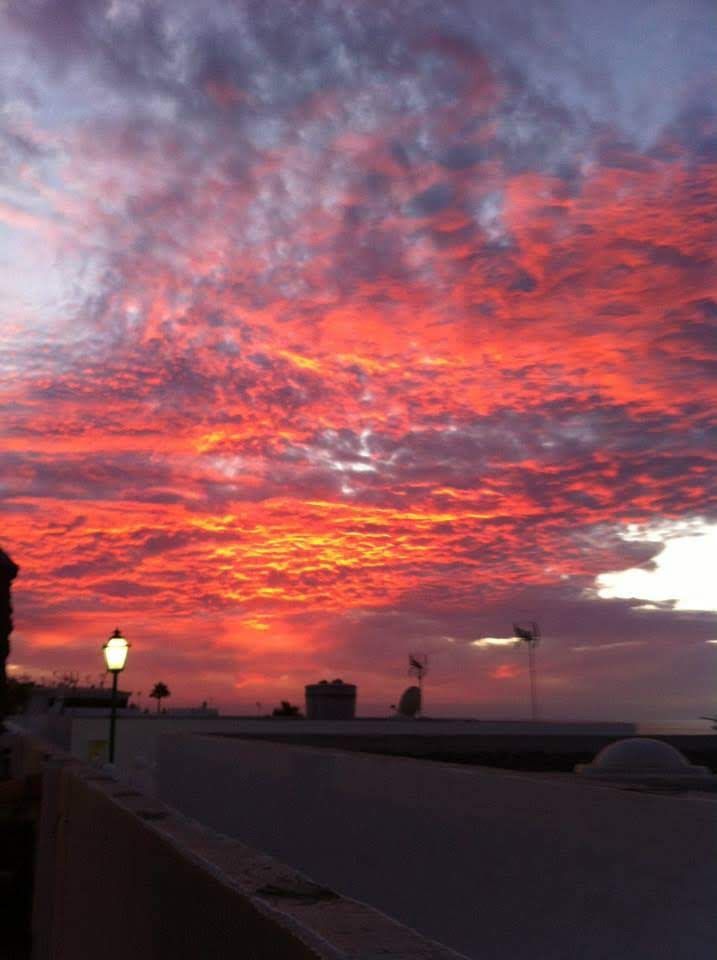
I had never set foot on the Canary Islands before the day we moved here.
My husband had visited several times on health trips from the Norwegian hospital—government-funded stays for those with psoriasis and arthritis, sent to heal in the warmth and salt of the Atlantic air.
But for me, Gran Canaria was a blank page.
Yet something strange happened even before my feet touched the ground.
As the plane dipped and circled over the island, giving us that first sweeping view of golden ridges, volcanic earth, and the deep, impossible blue of the ocean, tears filled my eyes.
Not the tears of stress or fear or exhaustion—
but recognition.
I heard myself whisper it before I even understood it:
“Now I’m home.”
Looking back, that was the first sign.
Not long after settling in, my daughters—then five and six—came home carrying school homework about the aboriginal people of the Canary Islands. My oldest daughter, sixteen and living with us too, arrived with her own stack of materials: stories of caves, kings, and ancient customs whispered down through the island’s memory.
Three children, three versions of history… all landing in our house at the same time.
It felt orchestrated by something larger.
So one warm Sunday we packed the car: cameras, suncream, caps, water, snacks. The kind of simple preparation that hides the fact you’re about to cross into something sacred.
We headed towards the mountains, driving higher and deeper into the island’s heart.
The narrow roads twisted like ancient pathways carved by hands that once knew this land intimately. Every curve revealed another ridge, another ravine—raw, powerful, silent.
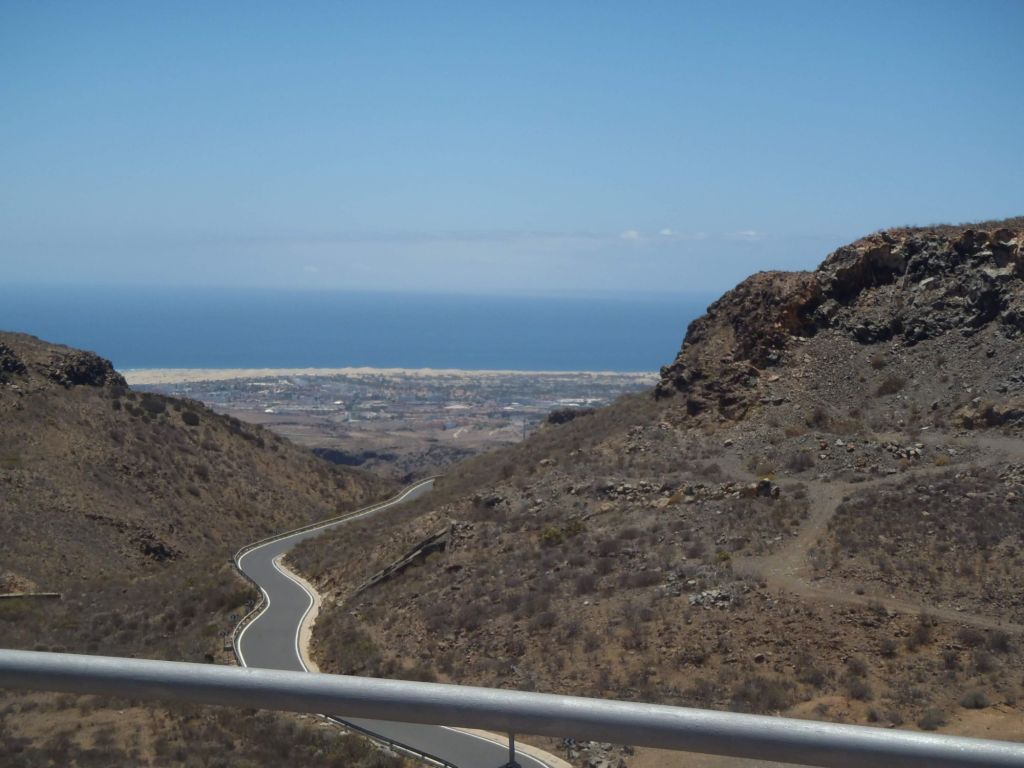
Halfway up, something in me stirred.
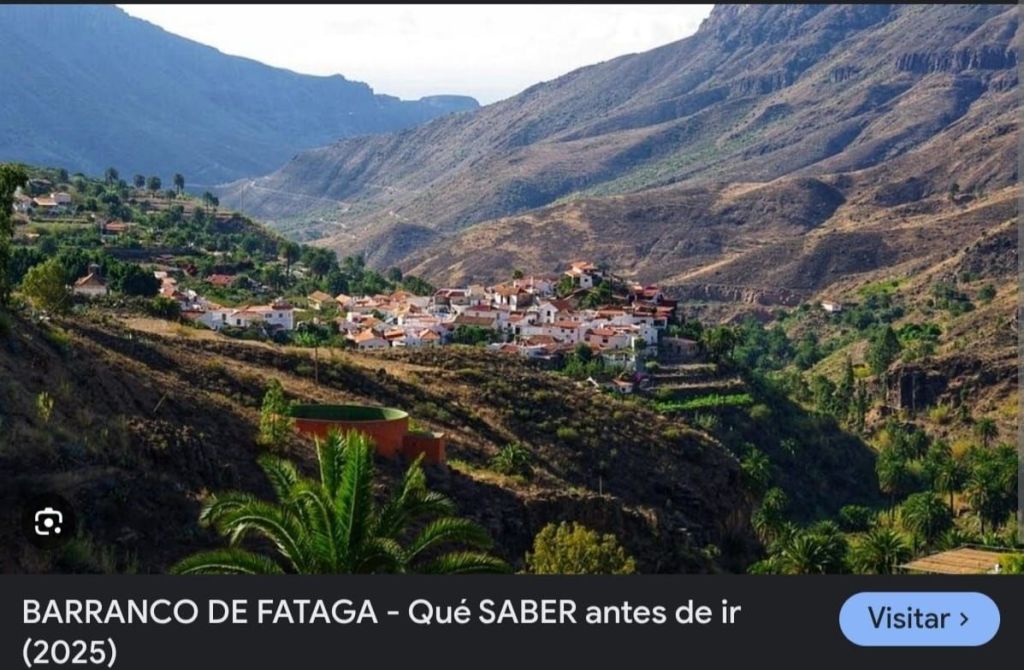
And when we reached Fataga, the quiet wrapped itself around me like an old, familiar blanket. The mountains, the calm, the air itself… it felt like a memory.
Because years before, in my first past-life regression session, I had seen this exact landscape.
The same valley.
The same cliffs.
The same mountain line.
Standing there, I realised with absolute certainty:
I had been here before.
Not as a tourist.
Not as a visitor.
But as someone who already knew the dust, the wind, the pulse of this place.
Fataga wasn’t a discovery.
It was a return.
Something unlocked in me that day—an ancient recognition, a whisper, a homecoming that went deeper than logic or geography.
I didn’t yet understand what the island wanted to show me.
But I knew the journey had begun long before that Sunday drive.
And now it was simply continuing.
🦉
“ABORIGEN archaeological museum and park is before the village of Fataga.
💫Maggie
The Afterlove Voice 💫
Introduction to the series:








Leave a comment