The first time we arrived at Mundo Aborigen, I remember standing before the entrance and feeling that unmistakable shift in the air.
The wind changed. The light changed.
It was as if time opened a door.
The museum sits on the cliffs just outside of Fataga, but it doesn’t feel like a museum at all.
It feels like a threshold.
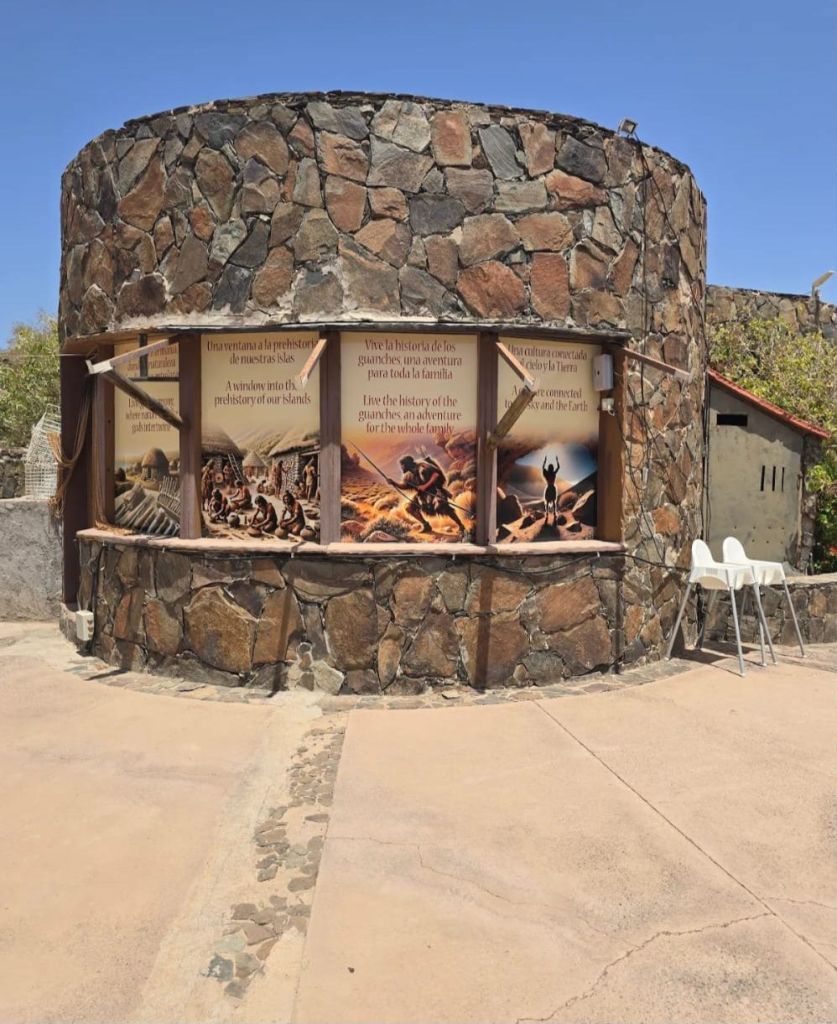
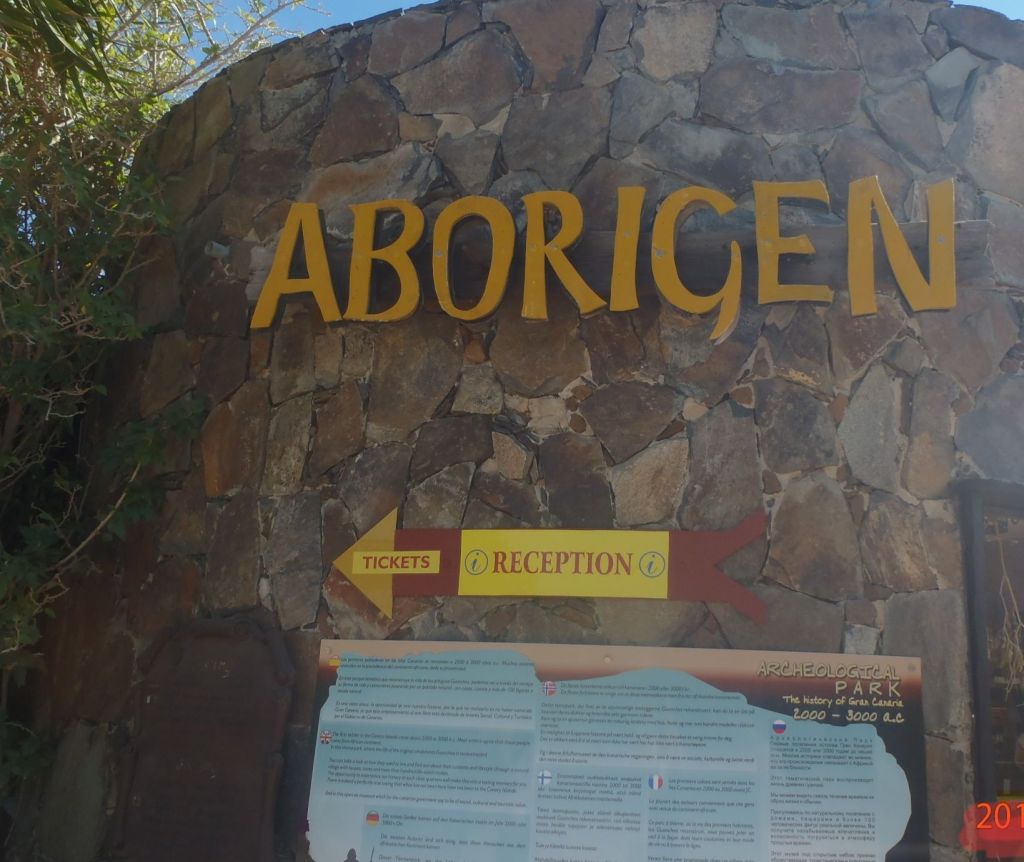
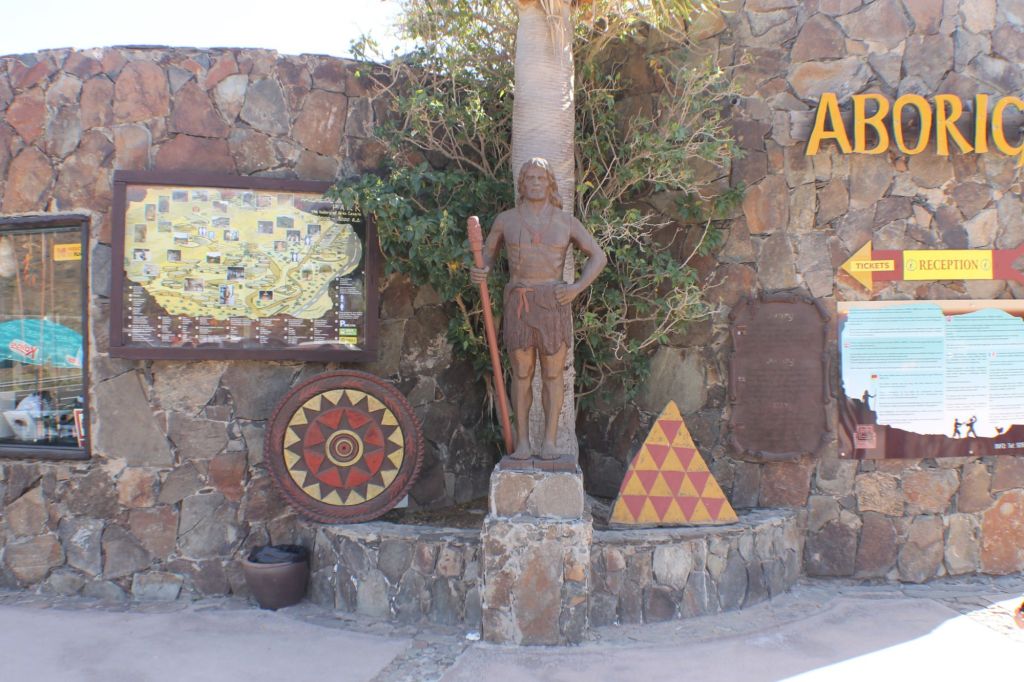
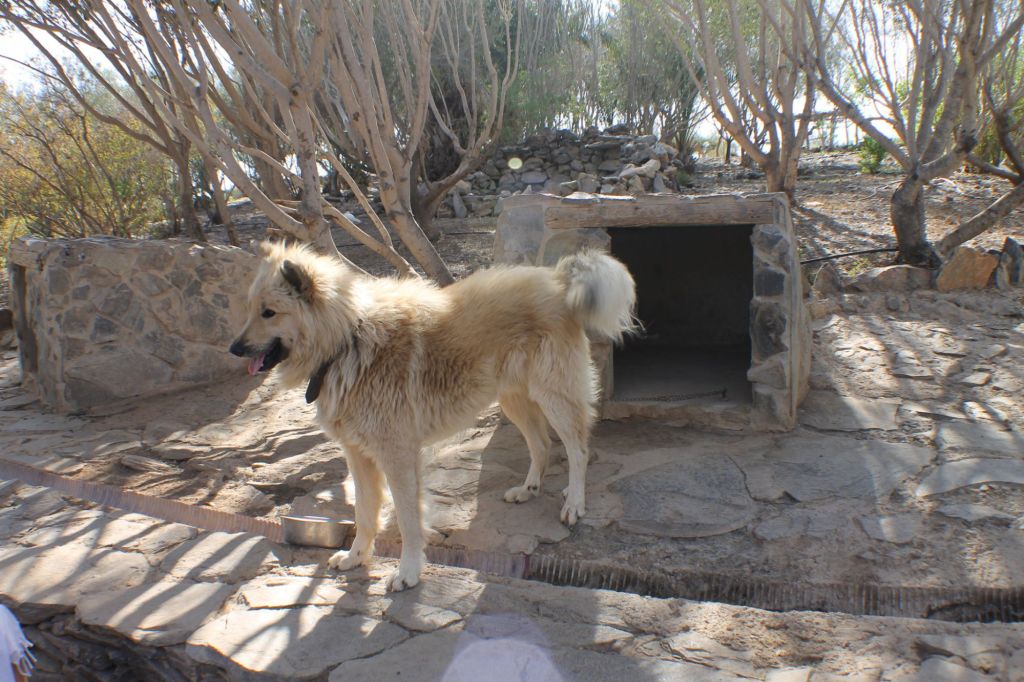
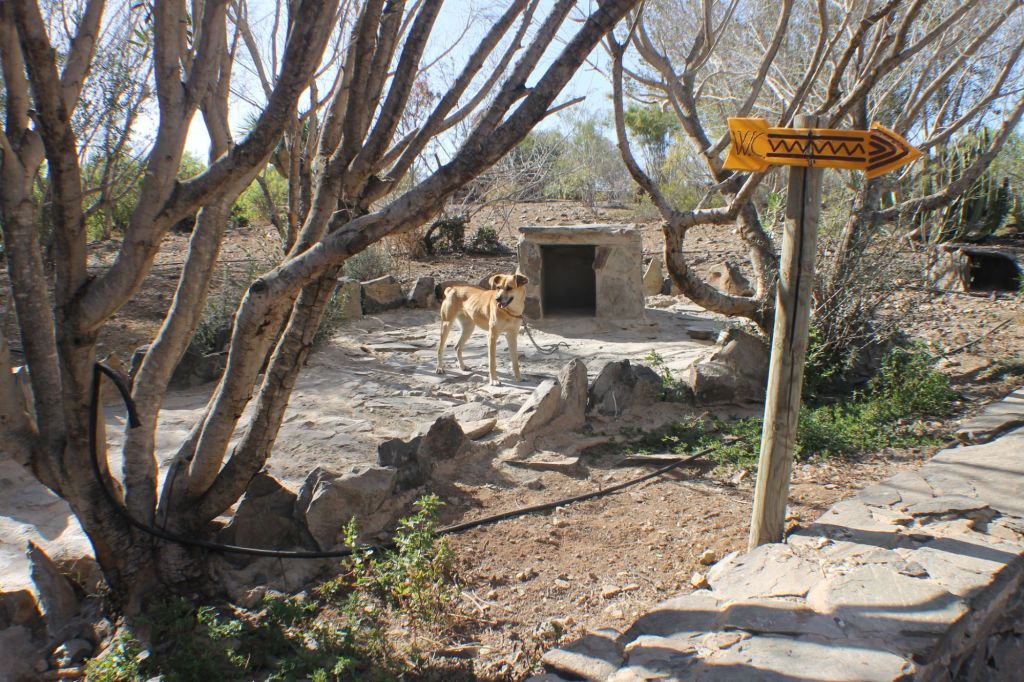
You walk into the park and the first thing you hear is joy.
Not human joy—dog joy.
Happy tails thumping the air, little paws tapping the ground as they rush to greet every new person like an old friend returning home.
Further down the path the energy shifts, but in the sweetest way.
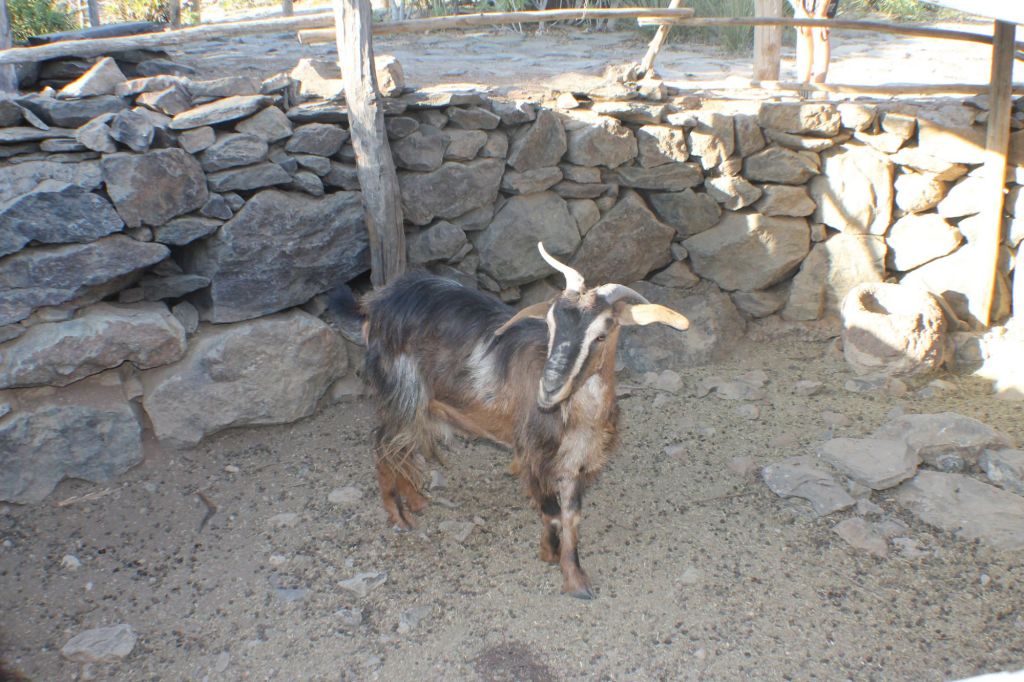
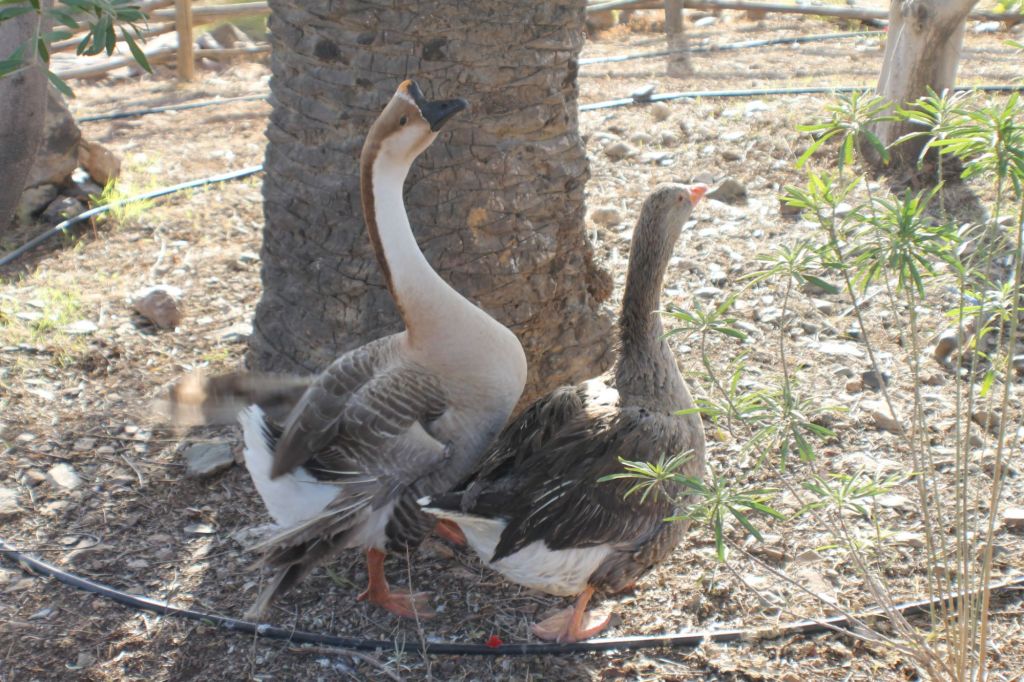
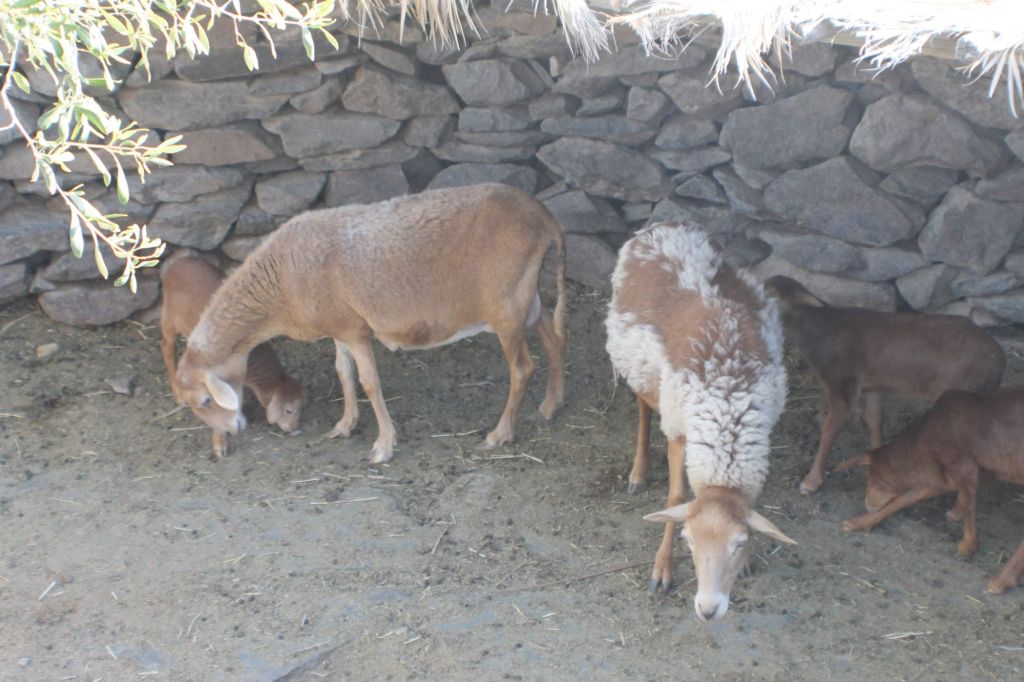
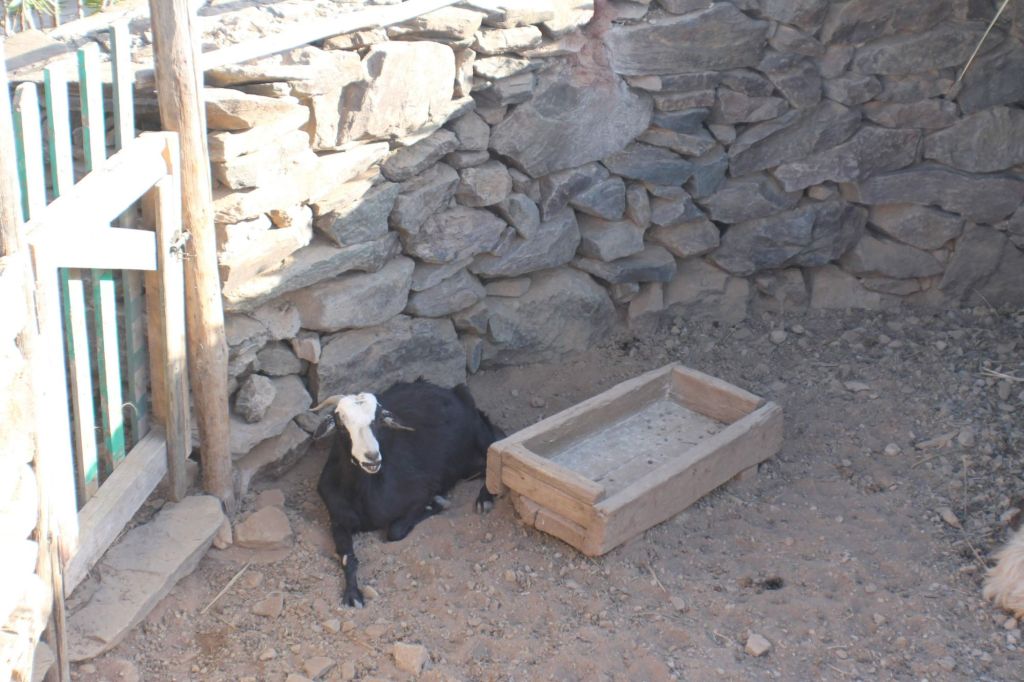
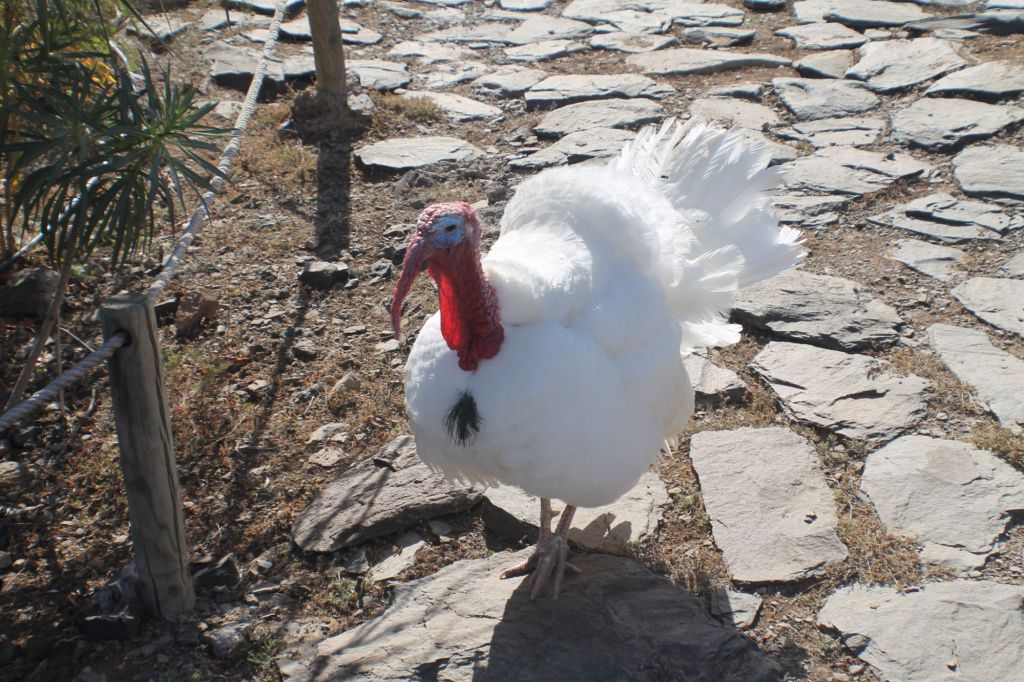
Turkeys wobbling around like they’re late for something important.
Chickens darting about with that determined, chaotic purpose only chickens understand.
Then the gentle grunts of pigs, slow and content.
Goats with bright, curious eyes that look straight into your soul as if they’re trying to read your past lives.
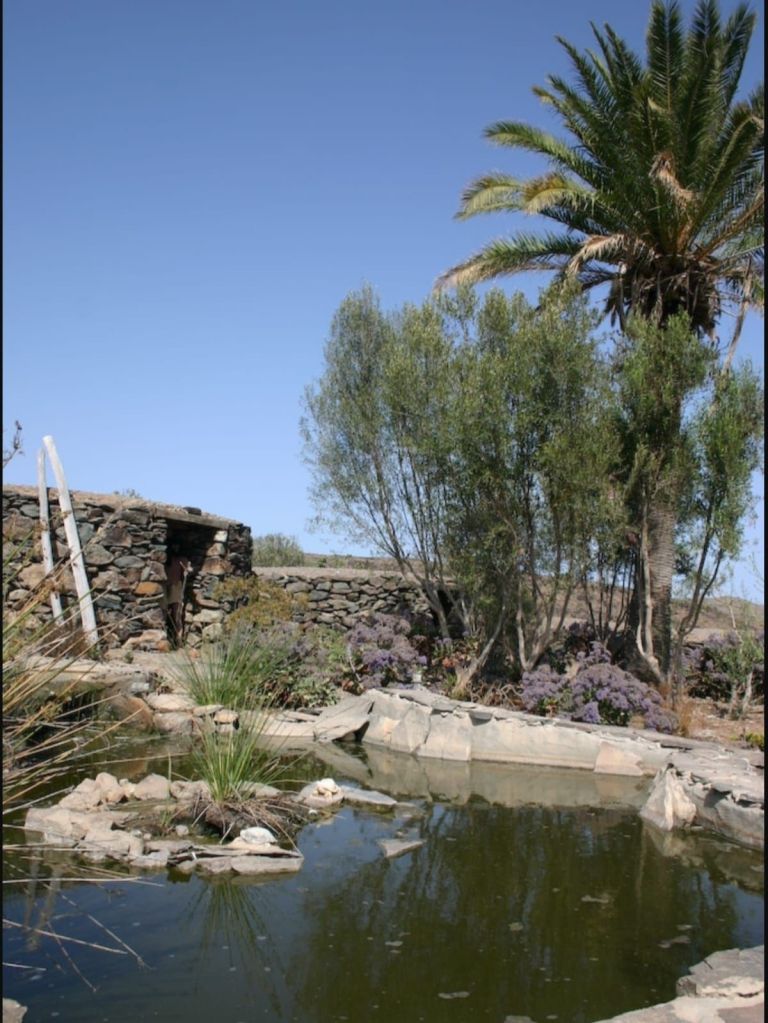
And tucked in the middle of it all—a quiet pond that would be peaceful if it weren’t for the endless chorus of frogs.
So many frogs that the sound almost becomes its own living creature, echoing through the trees.
A funny, wild harmony of life.
It’s the kind of place that makes you smile without even realizing it—because everything there is just being exactly what it is.
Unfiltered. Happy. Alive.
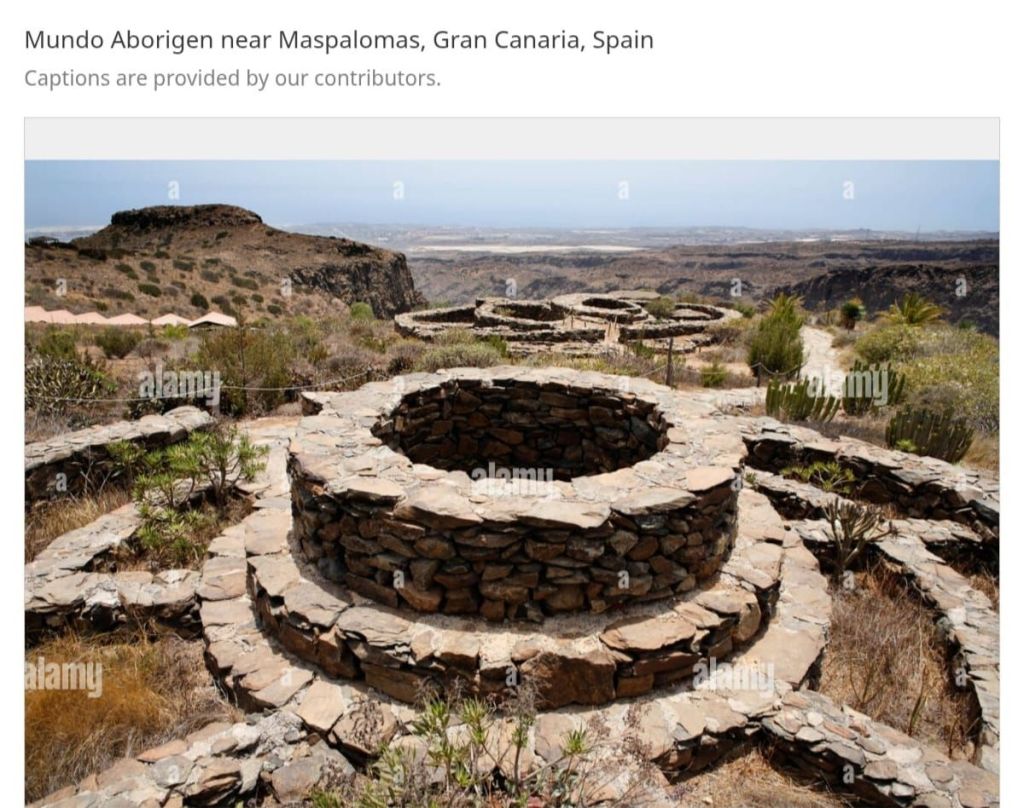
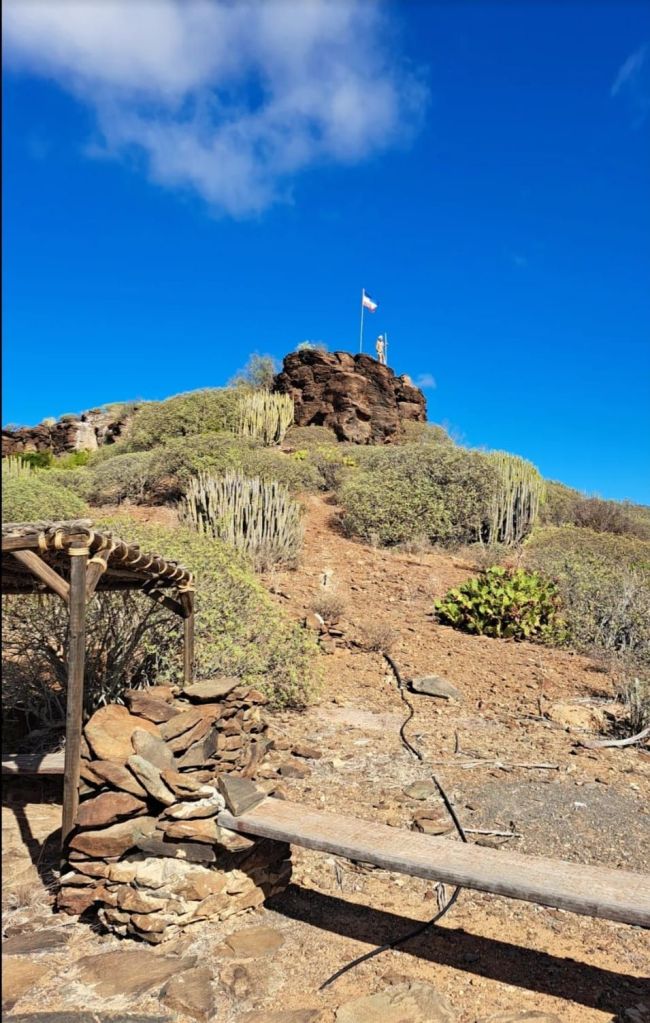
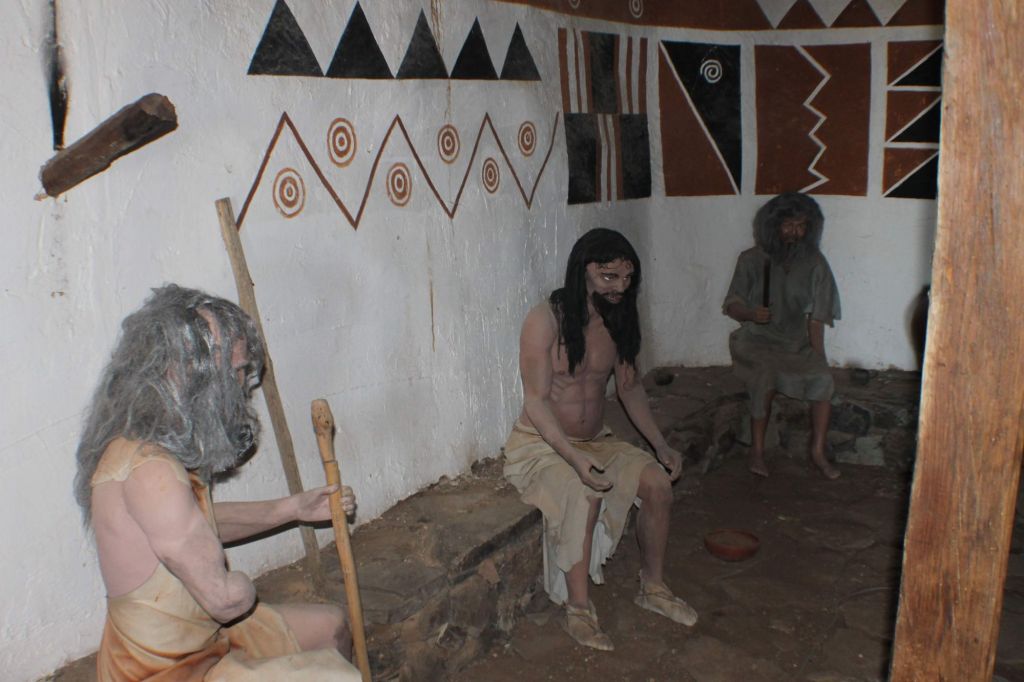
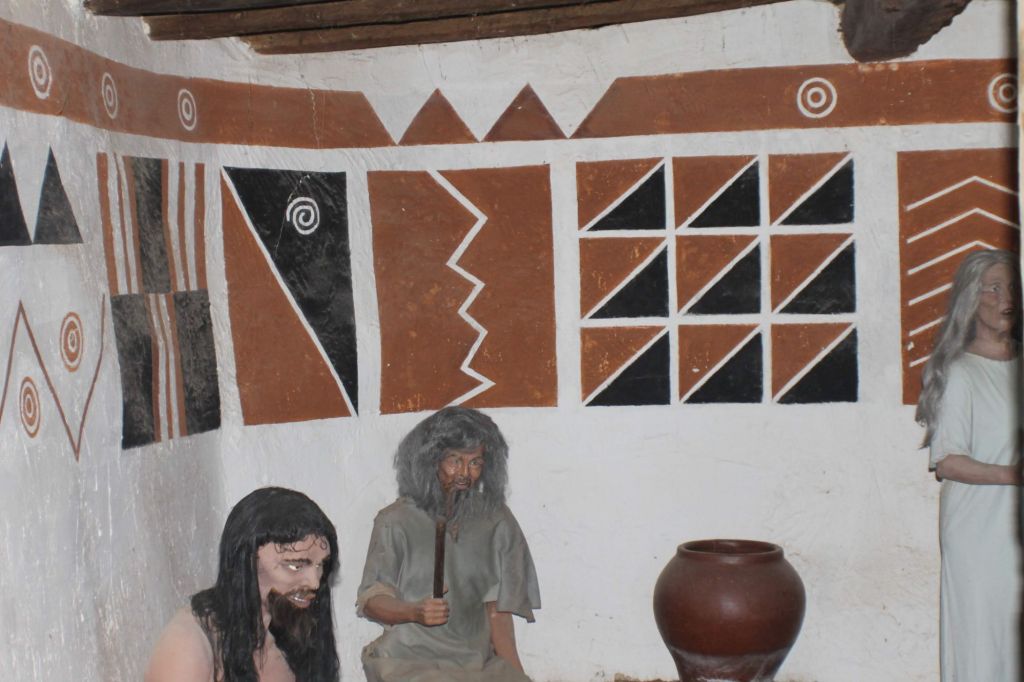
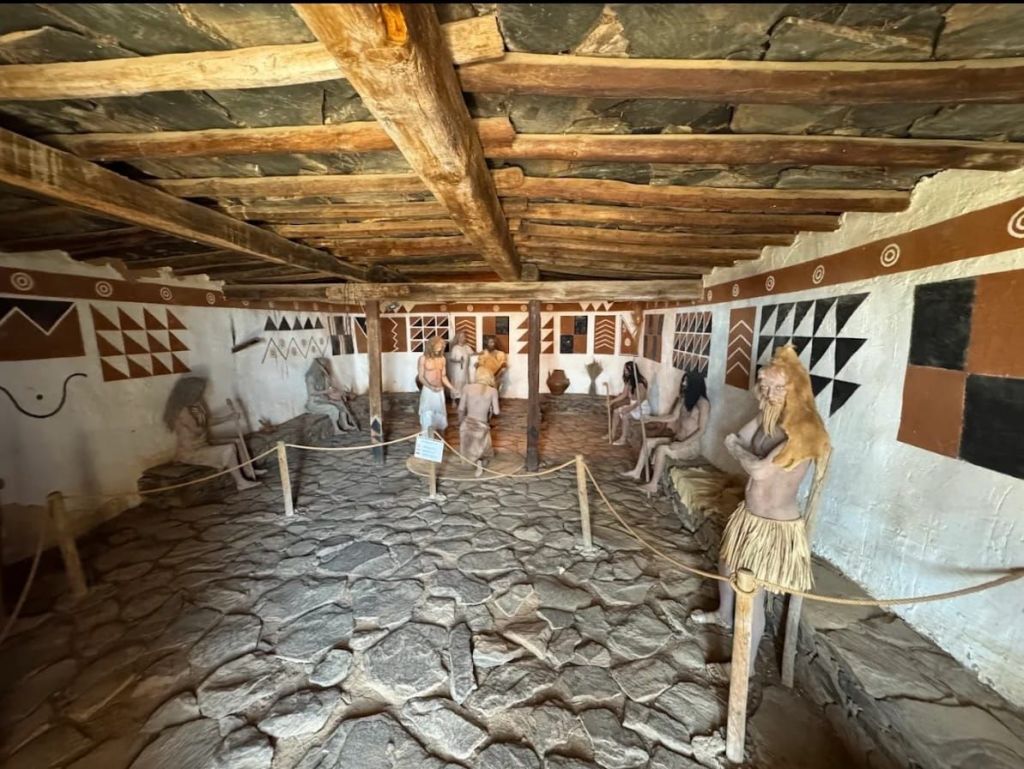
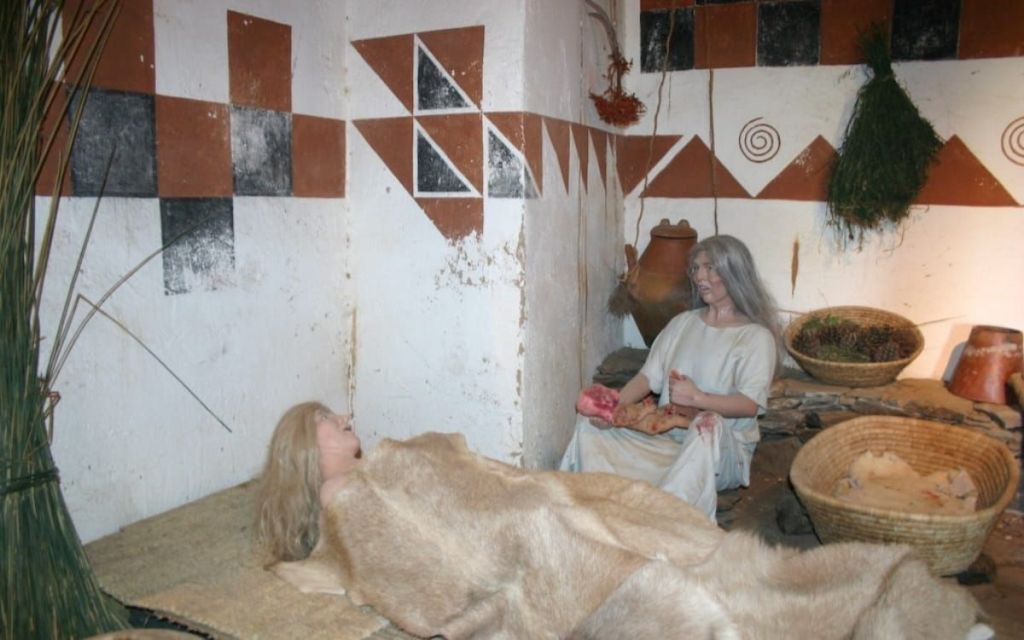
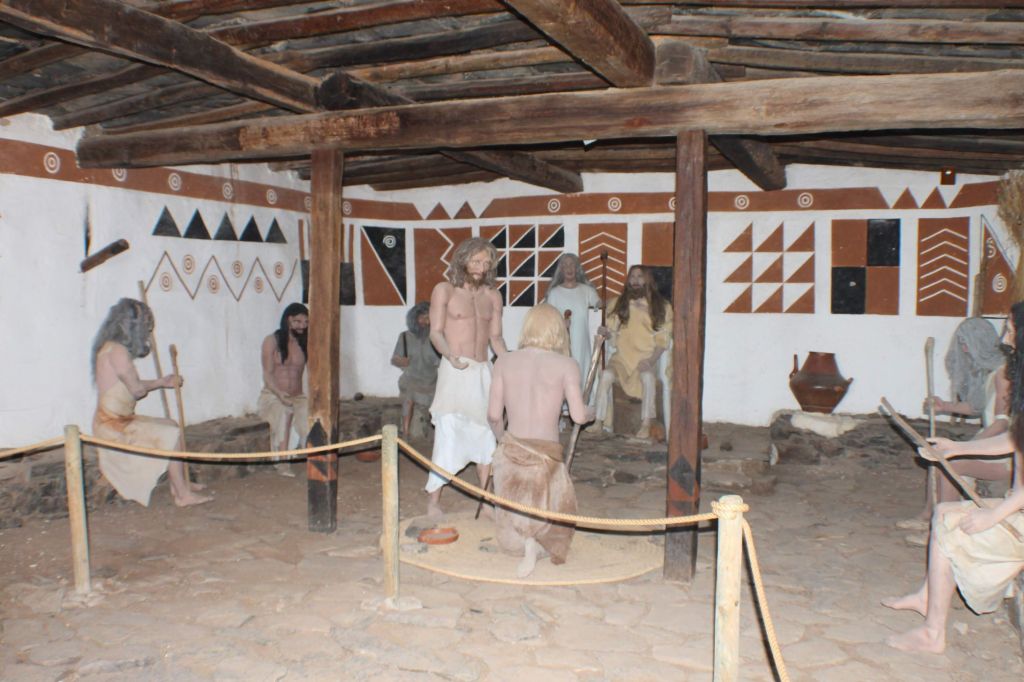
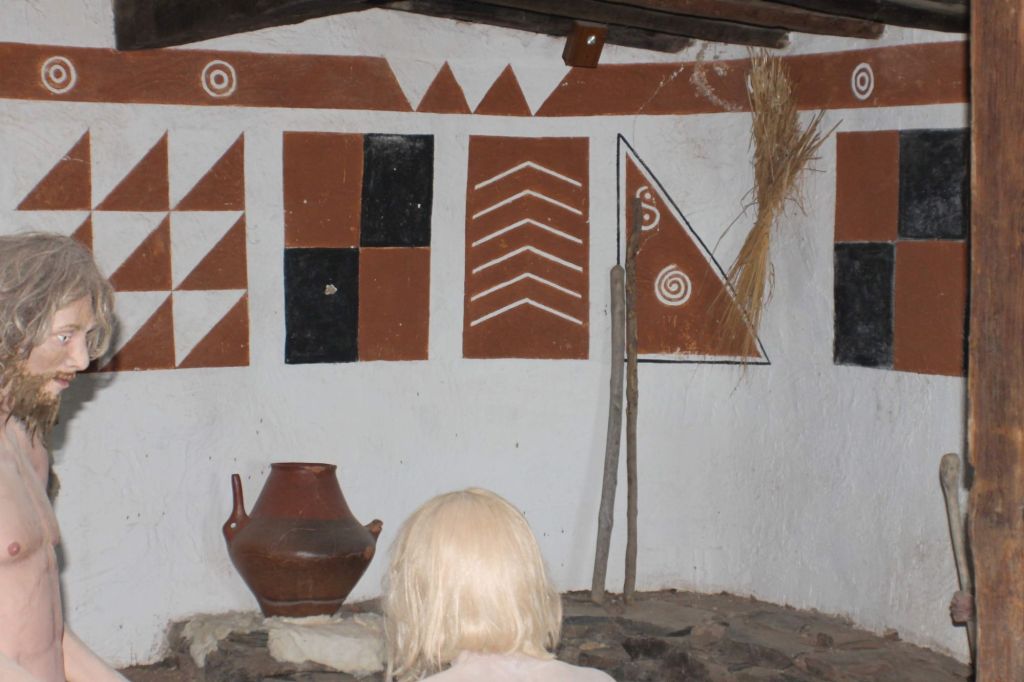
Ahead of us were scenes from thousands of years ago: carved stone houses, figures dressed in goat skins, pottery drying in the sun, and entire families frozen mid-movement—like time had paused just long enough for us to witness their lives.
But it wasn’t the statues or the huts that struck me first.
It was the familiarity.
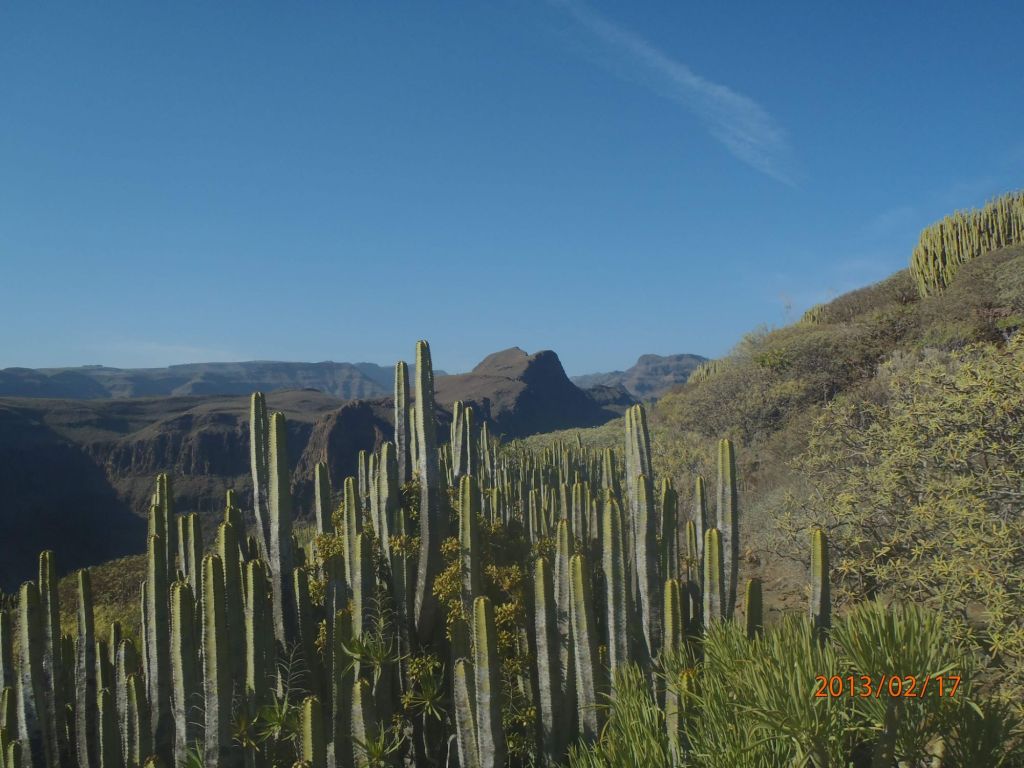
The landscape I had seen in my past-life regression—those same mountains, that same valley—surrounded me. And suddenly, everything I was about to learn felt less like “history” and more like memory.
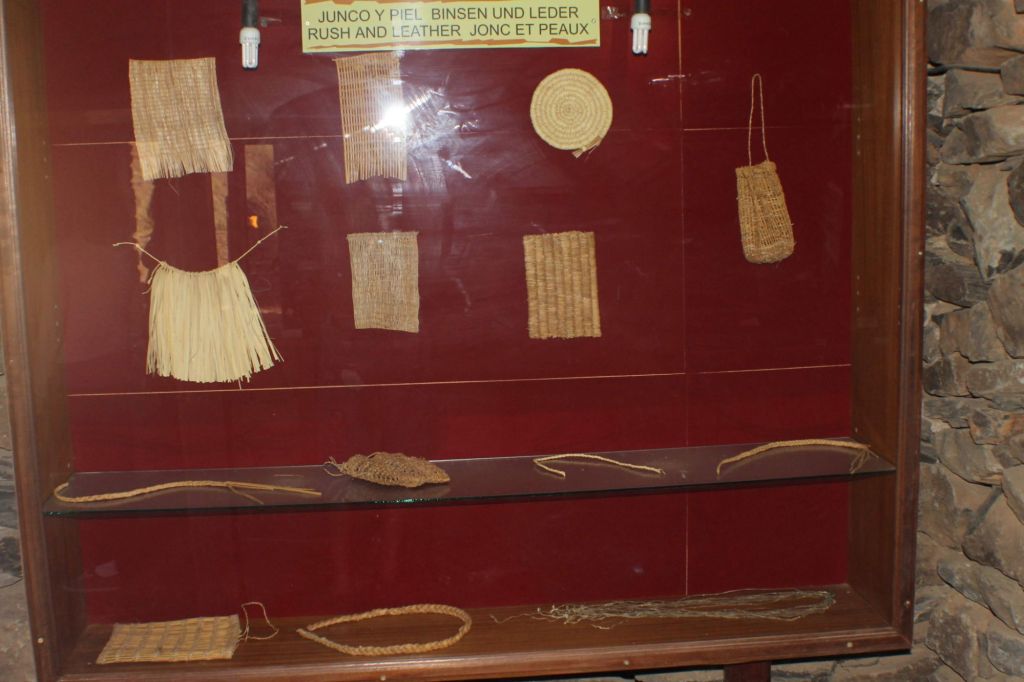
🔪 The Slaughterer — A Sacred, Forbidden Role
Further along stood a figure of the slaughterer, the only person allowed to kill animals. He worked far from the community because contact with blood was considered impure.
The description said:
> “Nobody could kill a beast except in the place designated for that purpose…
Unmarried men, women, and children were forbidden to enter.”
What struck me was not the rule, but the respect.
Even death had boundaries.
Even blood had laws.
And every part of the animal was used—bone, horn, skin—transformed into needles, scrapers, pendants. Nothing wasted. Nothing taken without purpose.
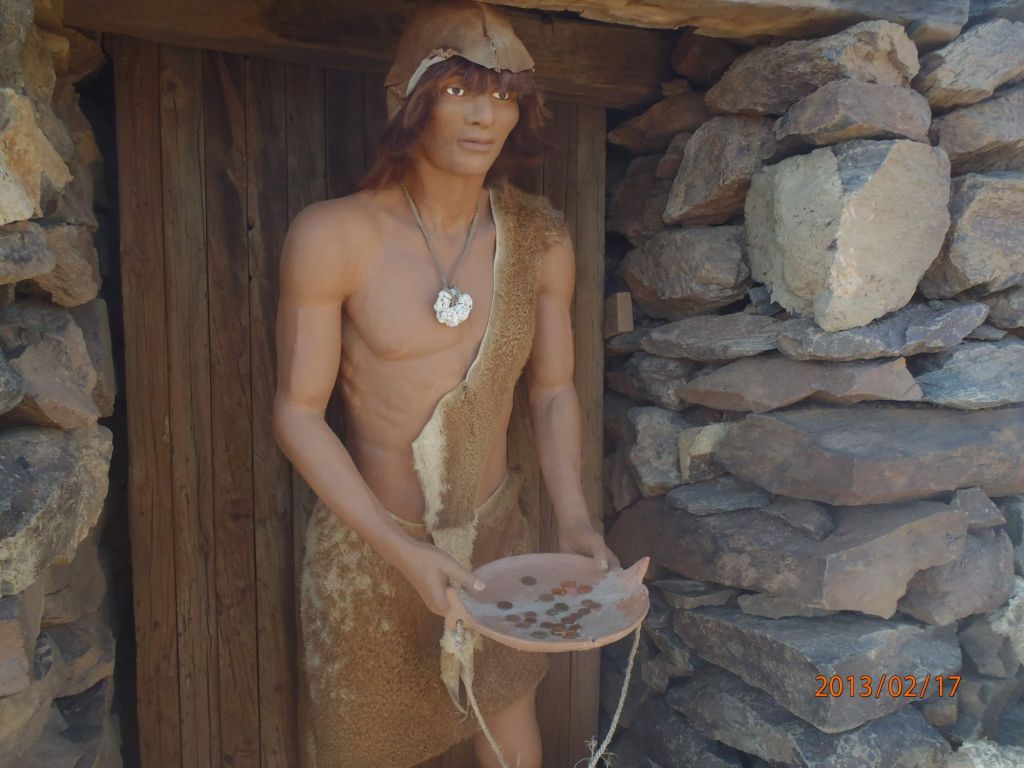
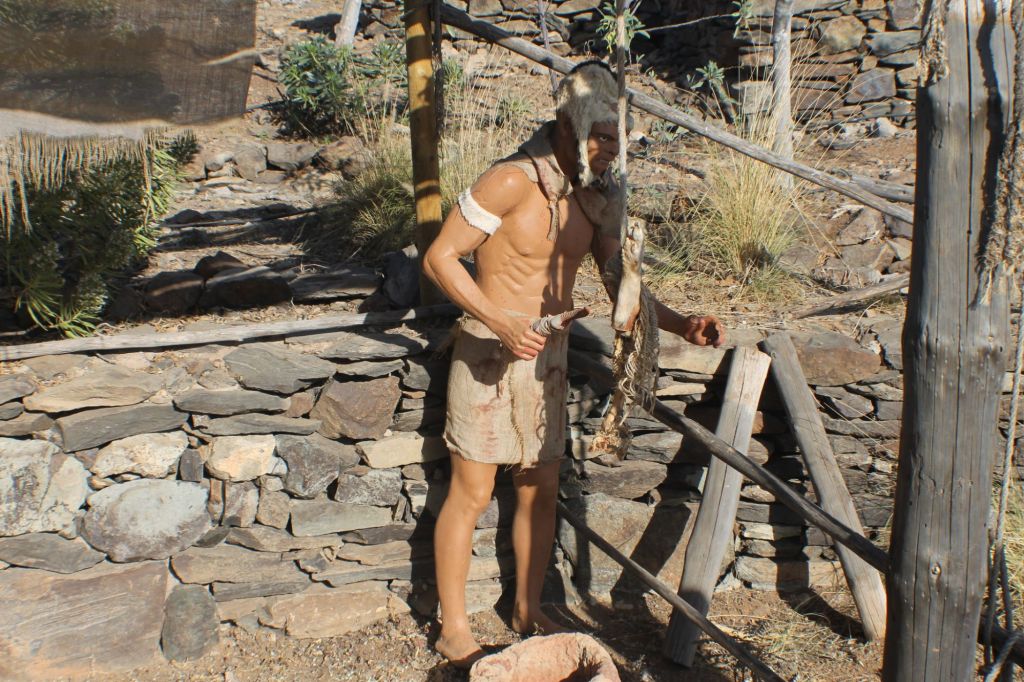
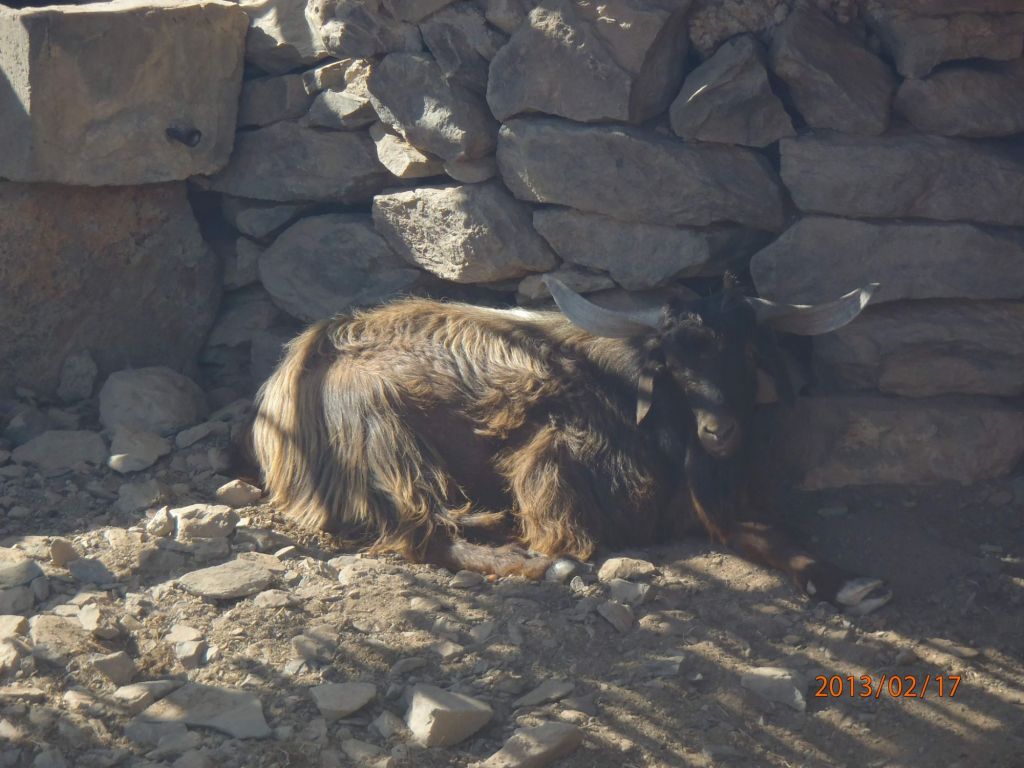
🌾 The First Settlers — Two Peoples, One Island
Then came the earlier history:
Cro-Magnon people—broad-faced, strong-boned.
Mediterranean people—finer features, different skull shapes.
Two roots blending into what we now know as the Guanches.
A sign described how a massive early settlement existed in Arguineguín—over 400 stone houses—and how a young prince, Artemy, died defending his people during the Norman invasions.
I remember reading the line:
> “He was between 20 and 25 years old… a valiant and noble warrior.”
And I felt that familiar shiver again.
That reminding.
That echo.
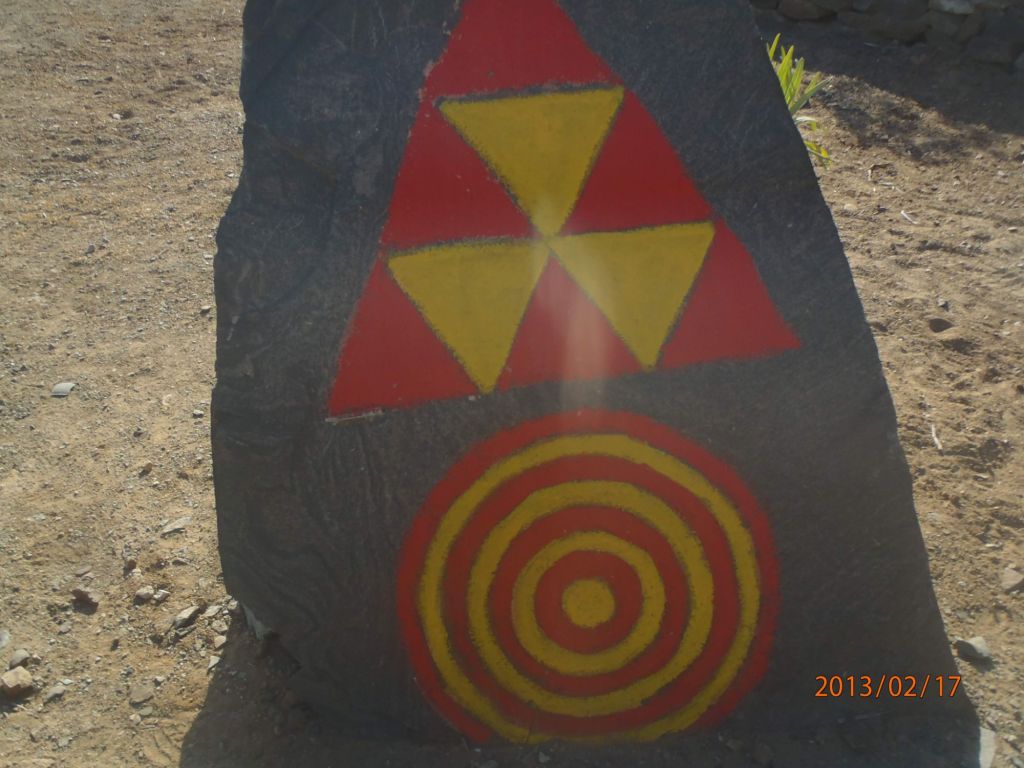
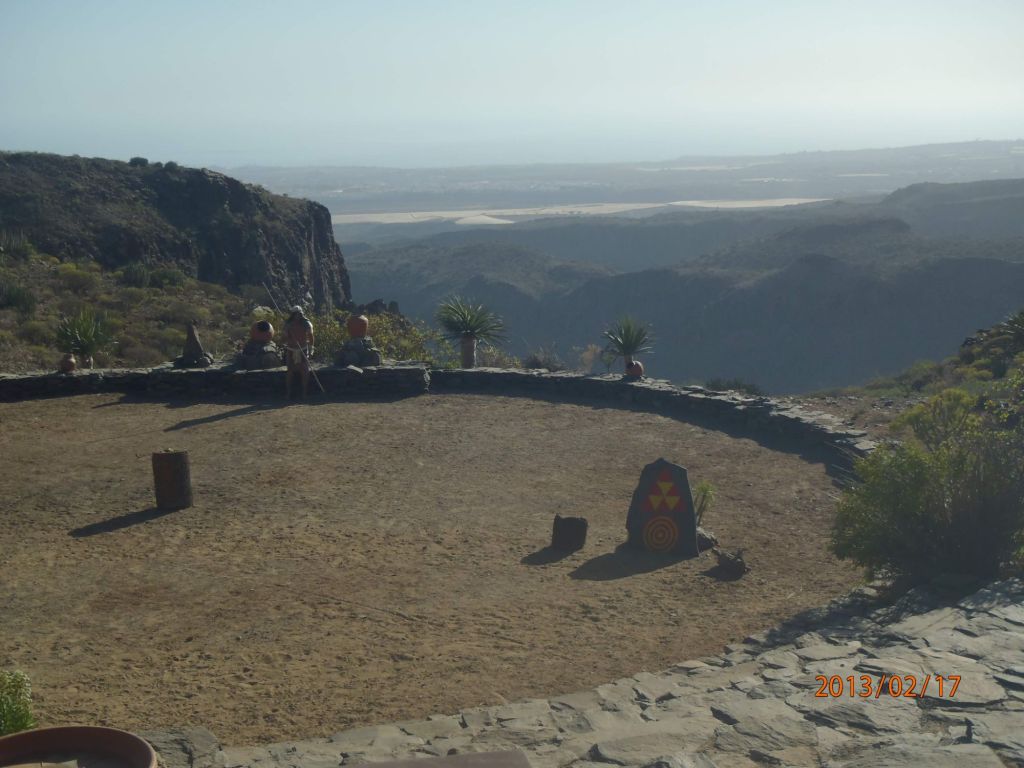
⚔️ The Challenging Stone — Duel of Honour
On a high, small platform was the reconstruction of the dueling square:
> “A flat stone at each end, with room for one man only.”
I imagine the silence before such a duel, the respect, the gravity.
This wasn’t barbarism—it was ritual.
A society with rules, honour, structure.
🏺 Pottery, Craft, and Everyday Life
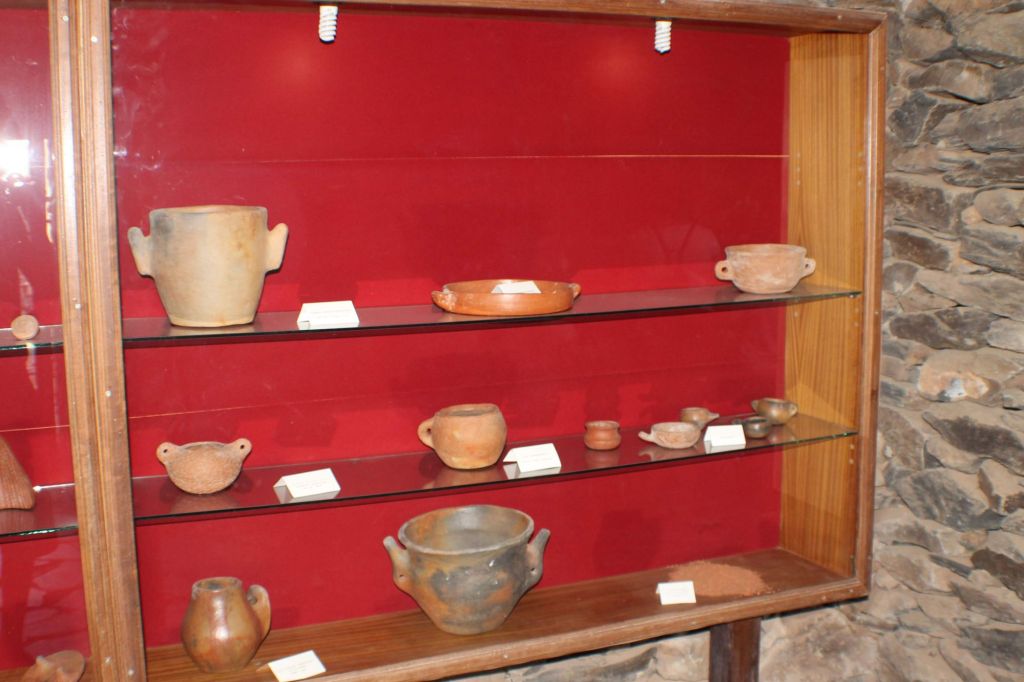
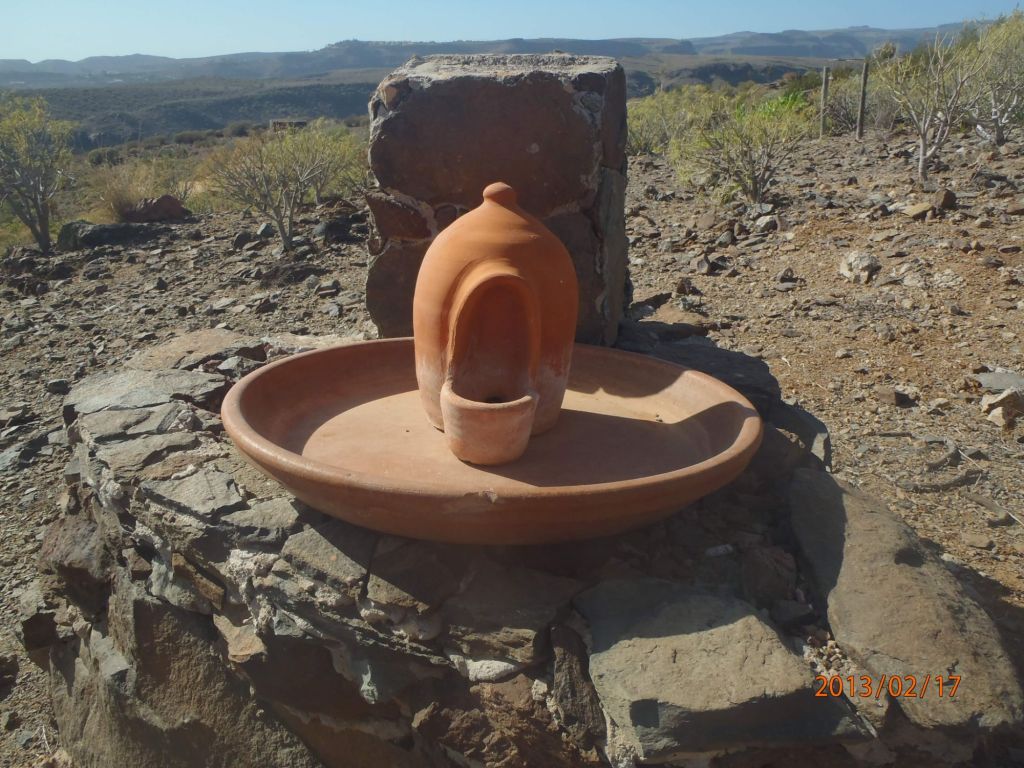
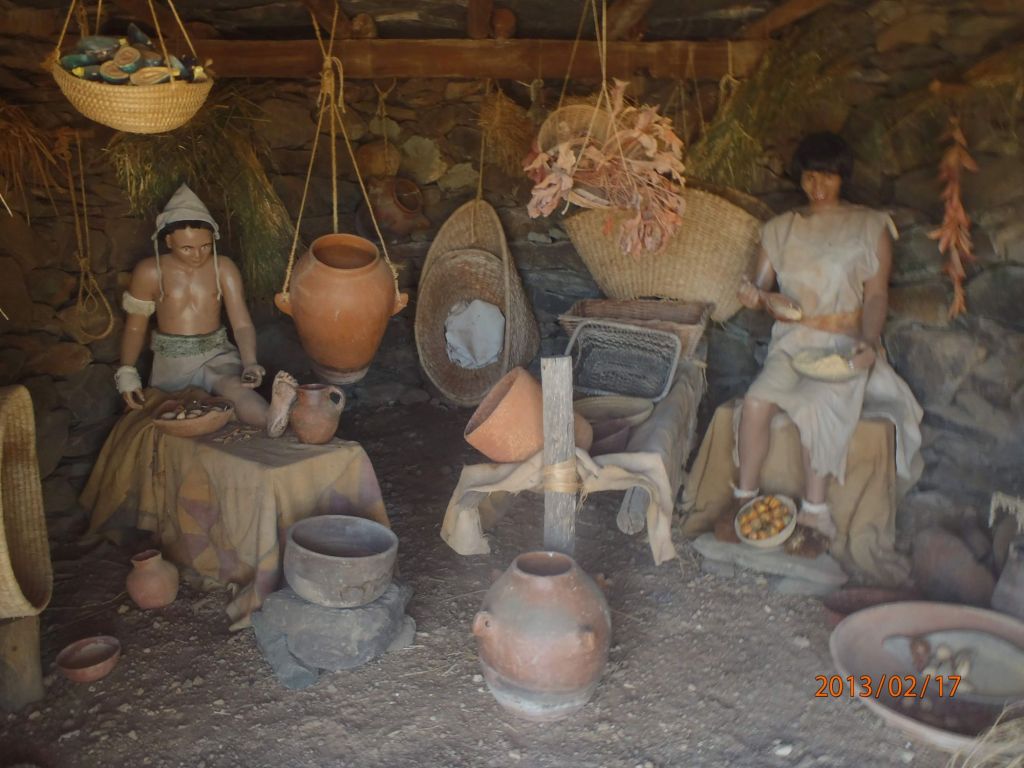
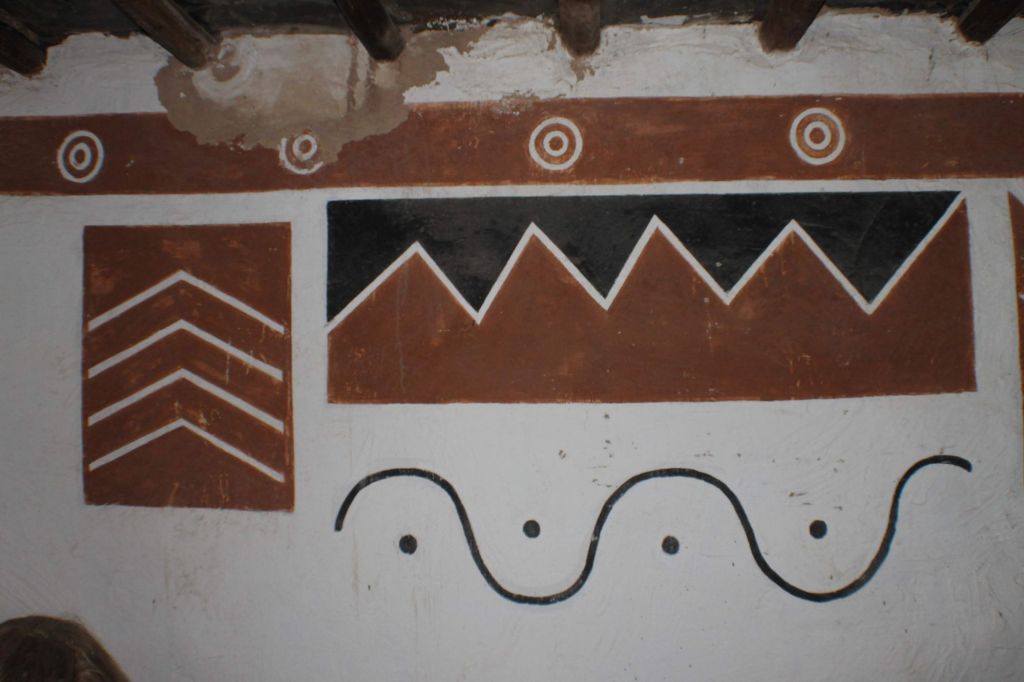
Another scene showed women shaping clay, smoothing it with stones, painting it with red ochre. The description said:
> “After the fire, the pots shone with a fine polish.”
There was something deeply human in that moment—
seeing the everyday work of women who lived thousands of years ago but could have been any of us:
hands shaping, creating, preserving.
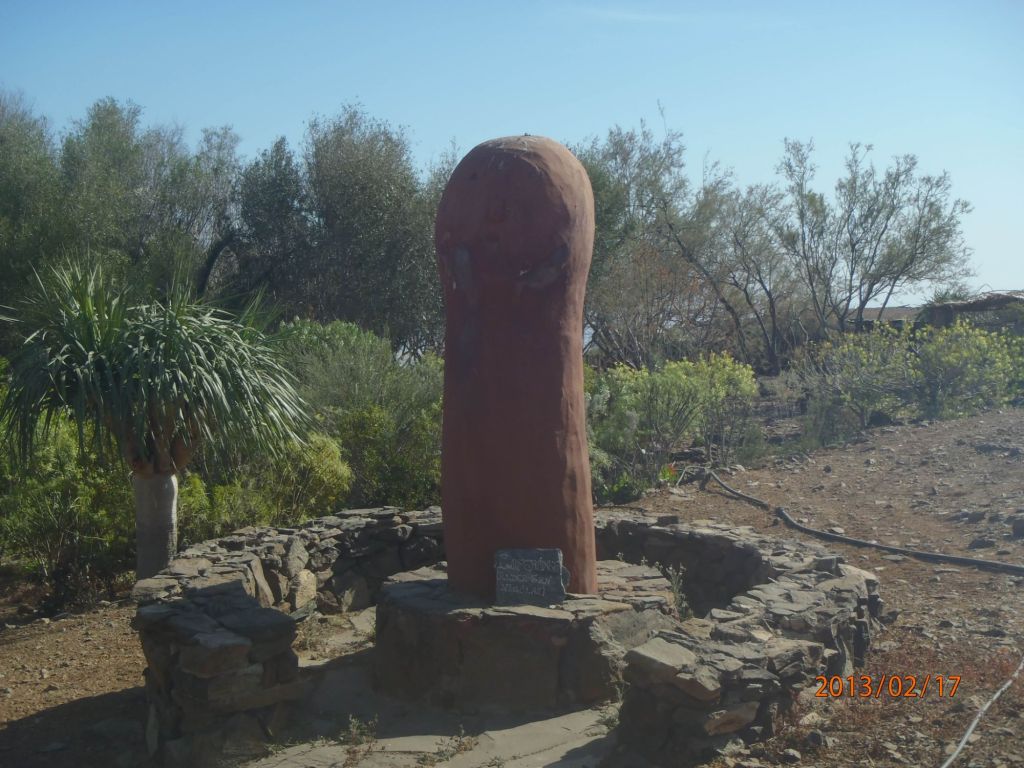
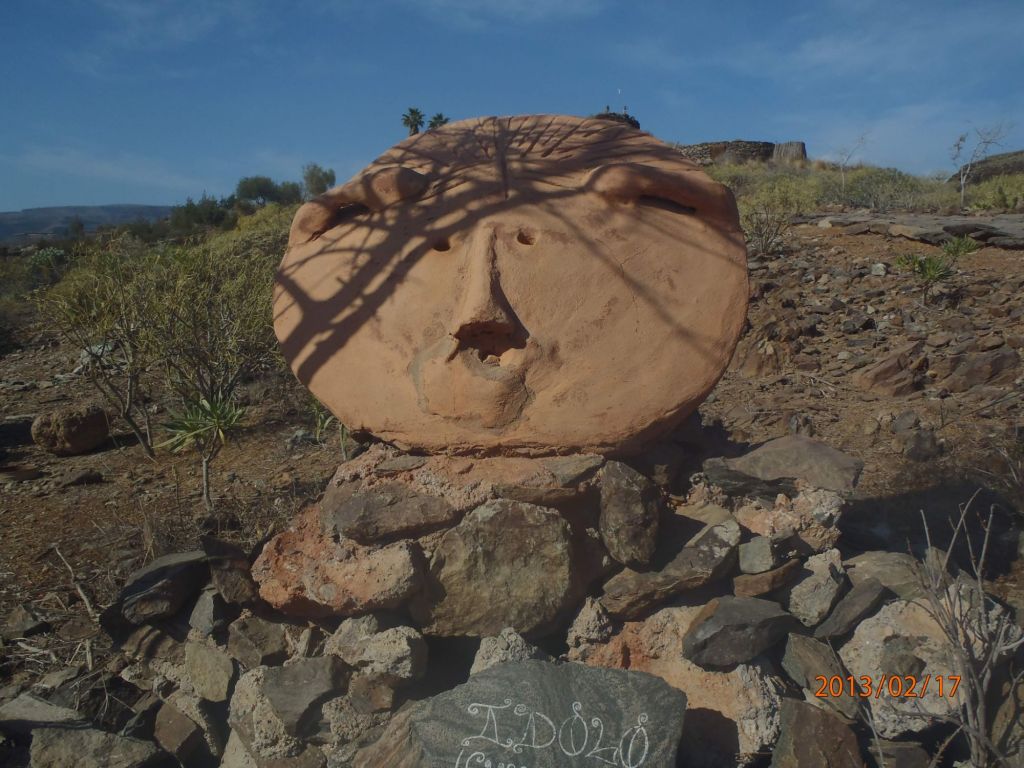
🖤 Death as Transition — Caves, Boards, and Sacred Care
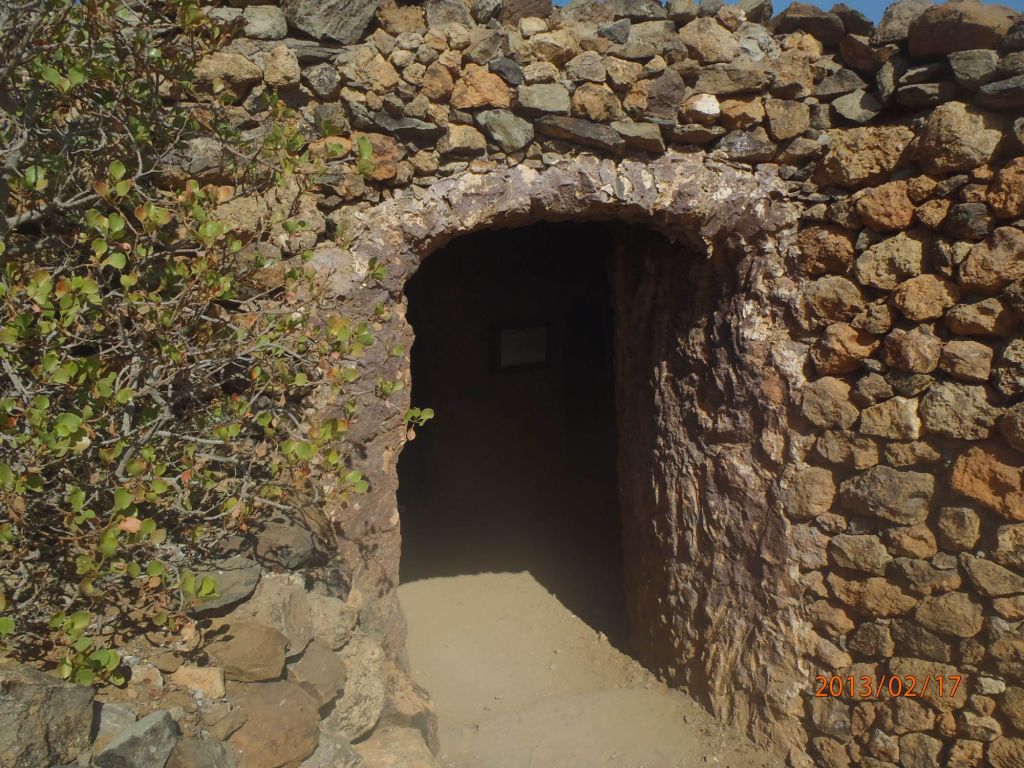
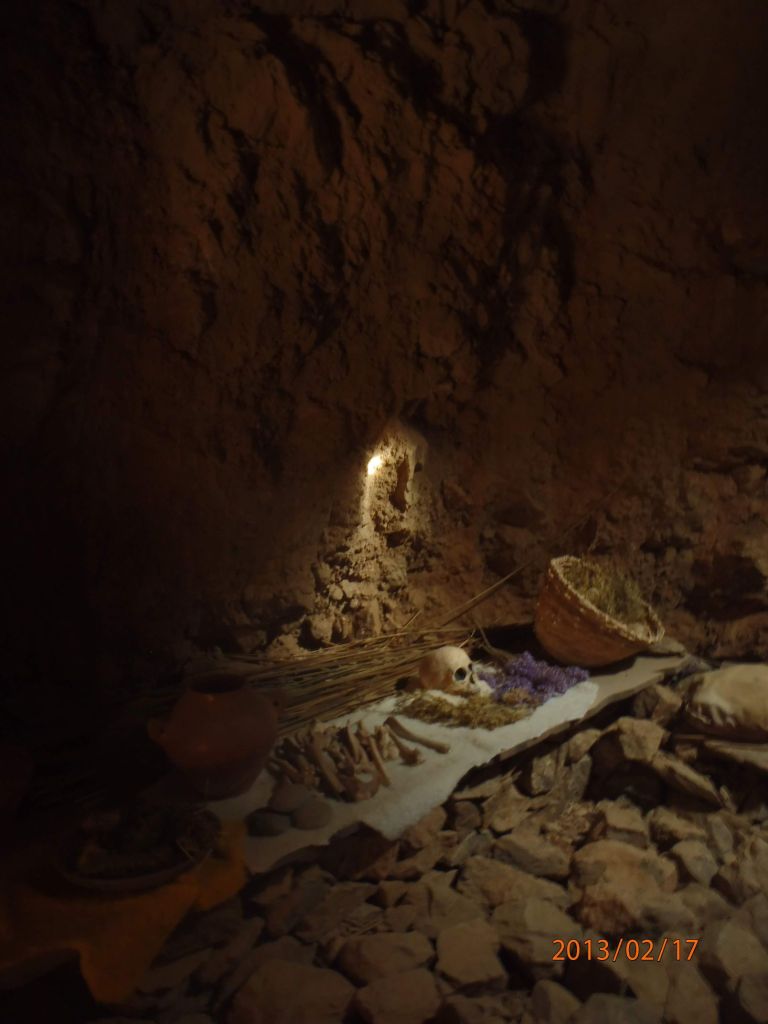
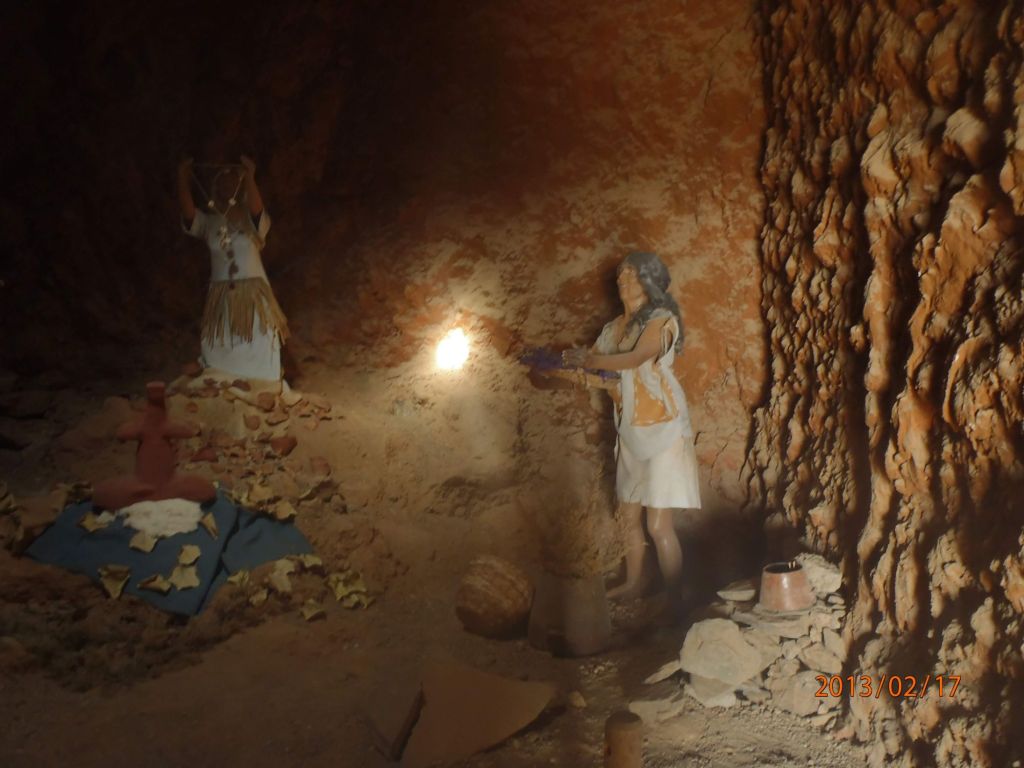
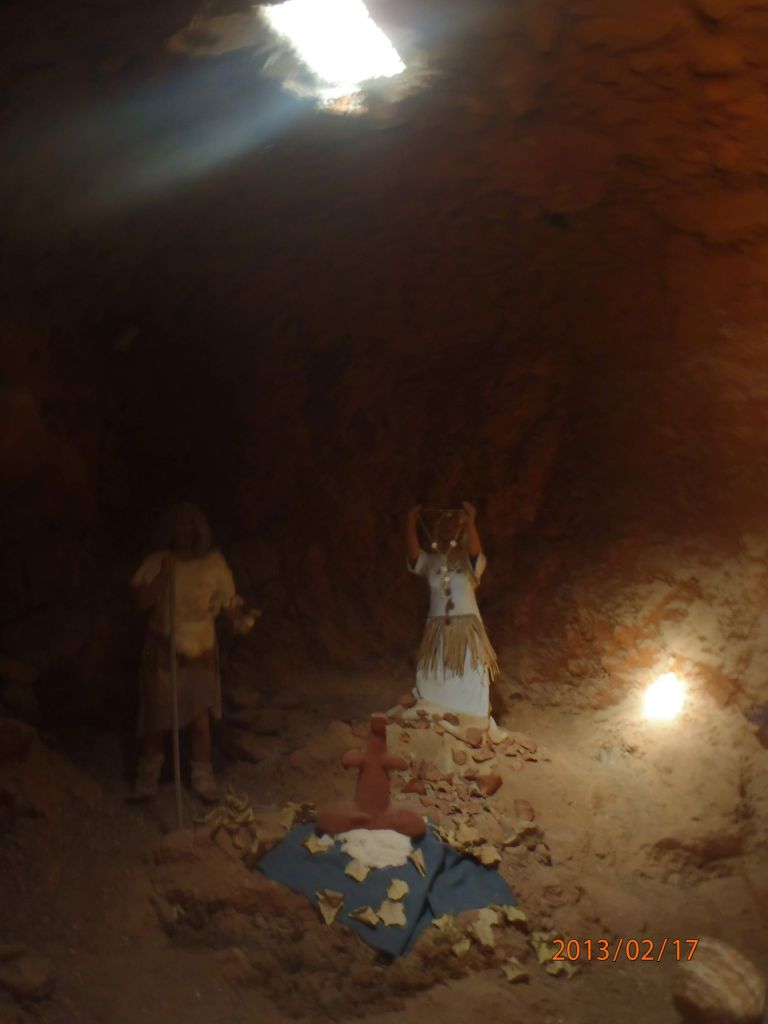
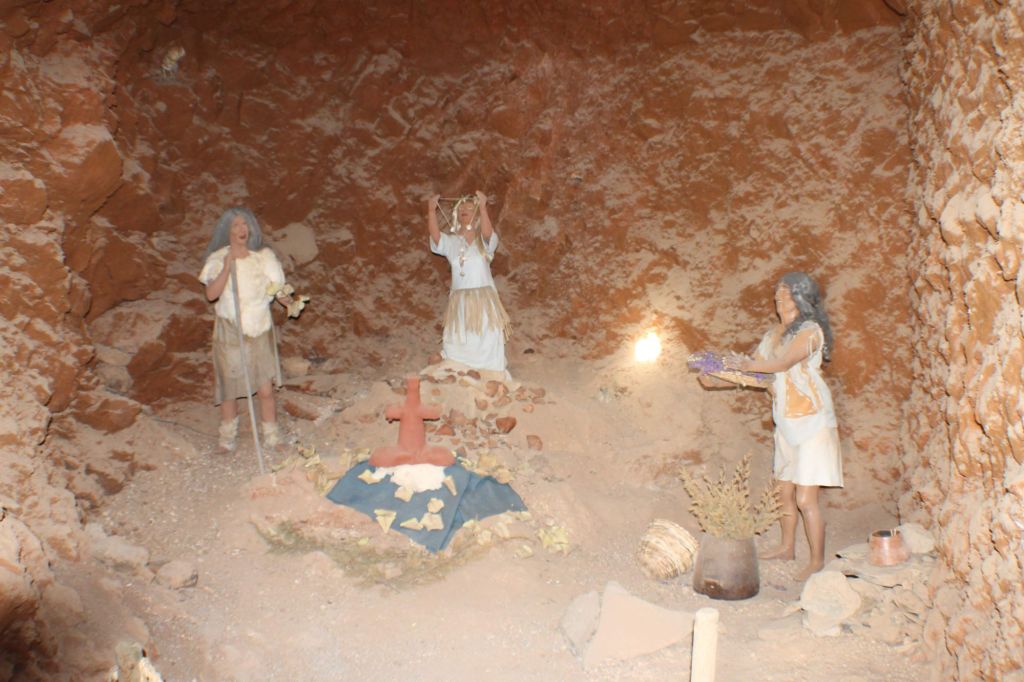
Then the burial scenes.
Some in caves.
Some in the rough volcanic lands, the malpaíses.
The noblemen given space in special cave-tombs.
And the most powerful of all:
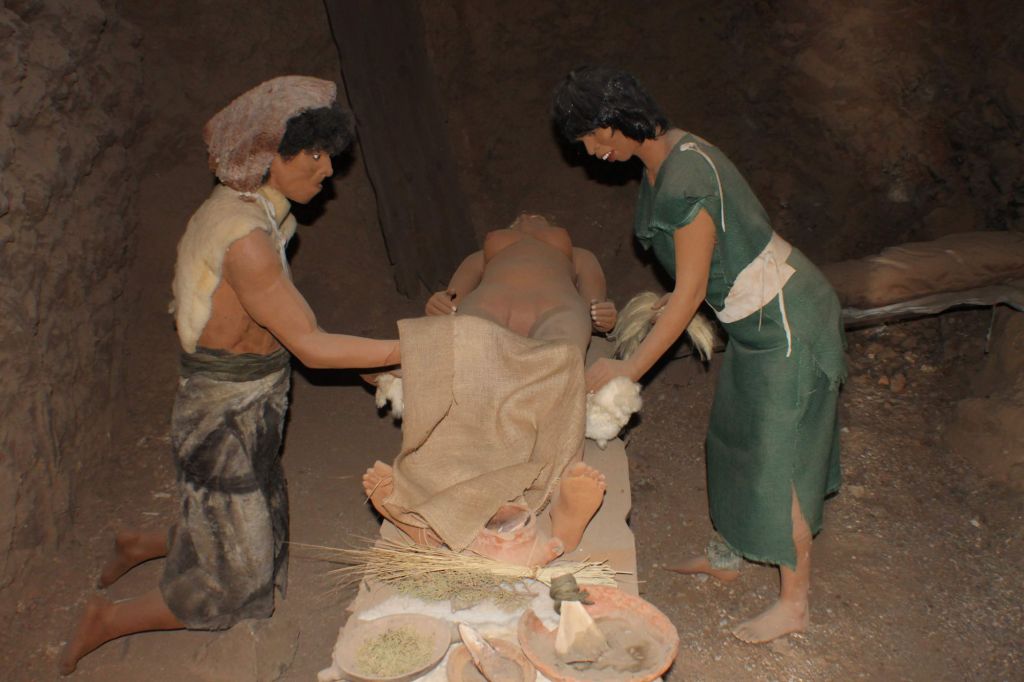
Mummification.
The sign told how Cro-Magnon descendants washed, greased, sun-dried, and smoked their dead for fifteen days, binding them in tamarco skins, using aromatic herbs depending on status.
Men cared for men.
Women for women.
It wasn’t morbid.
It was loving.
A way of keeping the dead present among the living.
I felt the weight of that.
The tenderness.
The belief that death was not an ending, but a continuation.
🌟 Acoran — The God of the Sky
Finally, the sanctuaries.
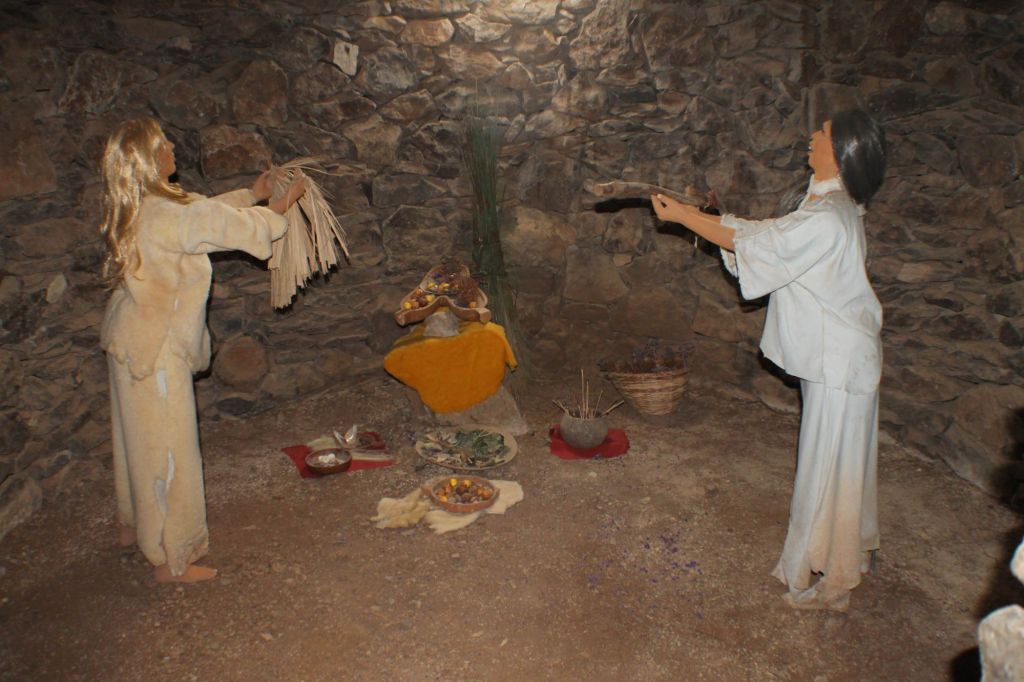
The aboriginal people believed in a supreme creator, Acoran, and also in ancestral spirits, astral beings, and protective forces within nature.
Libations of milk and honey.
Offerings in caves.
Animal bleating used as prayer.
Sacred rituals tied to fertility, rain, and survival.
And as I stood there reading those words, I realised:
The spirituality of these islands isn’t gone.
It’s in the rocks.
In the wind.
In the silence of the mountains.
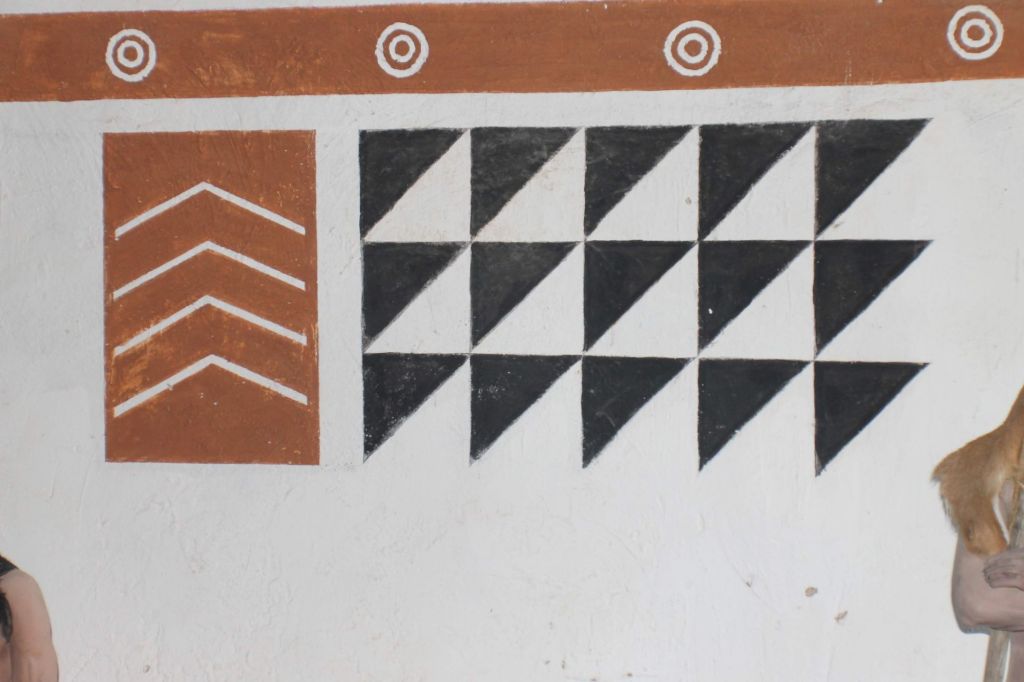
There are two more places in this museum I haven’t mentioned yet.. I will cover them in the next chapter.
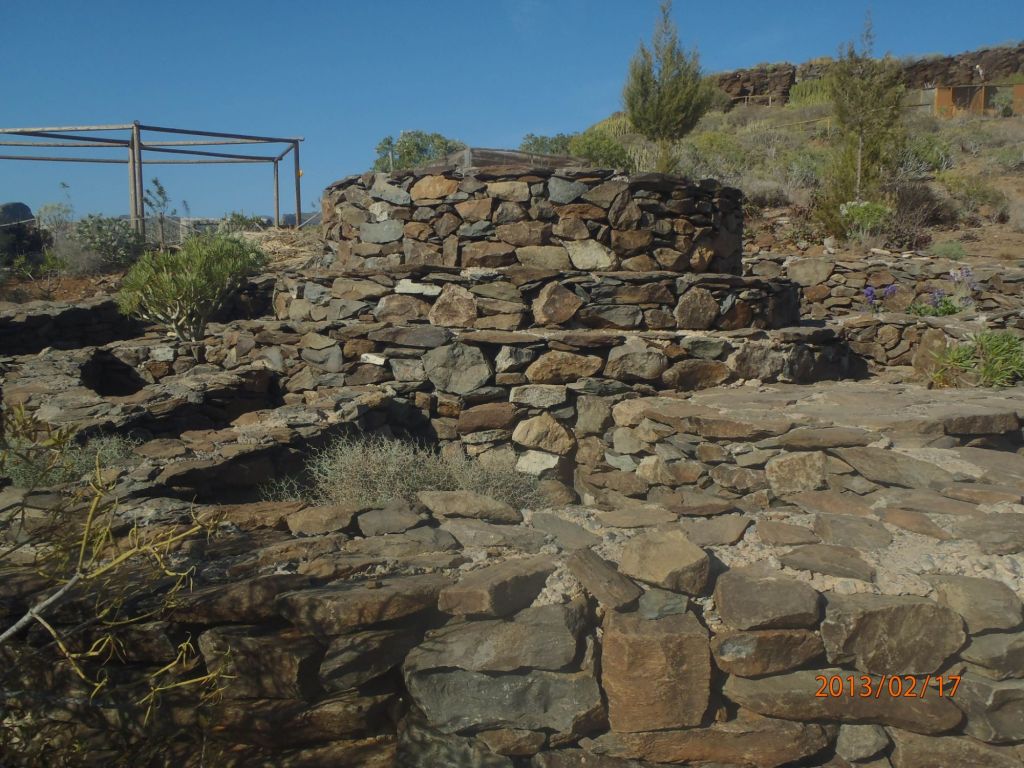
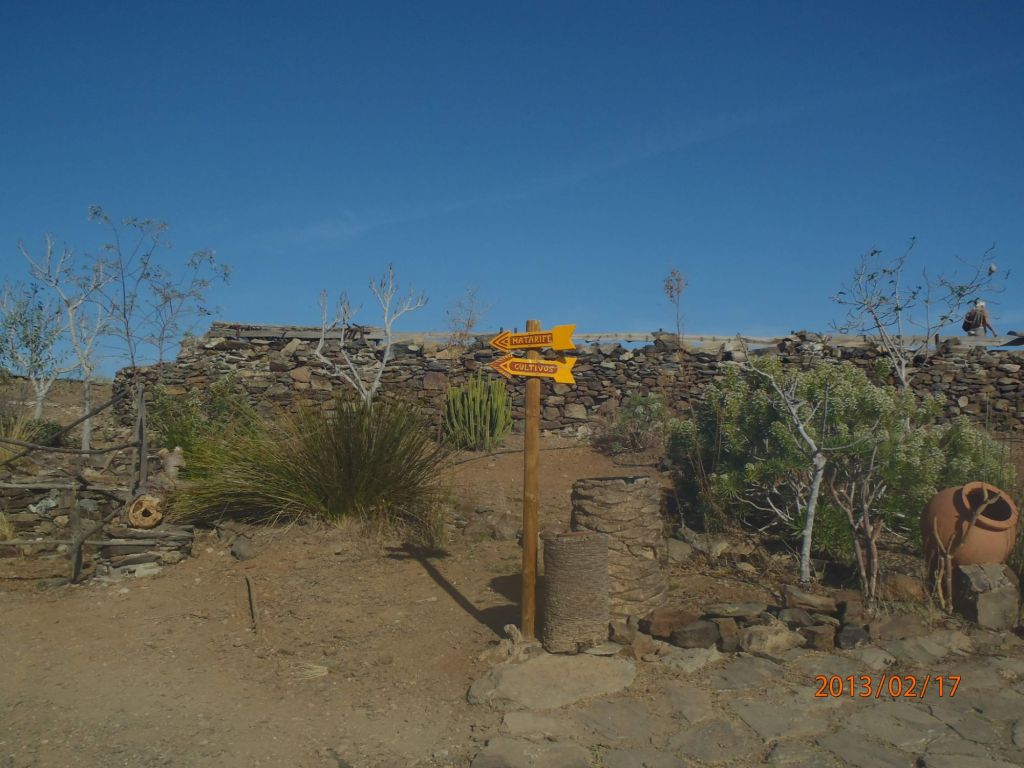
The spirituality of these islands isn’t gone.
It’s in the rocks.
In the wind.
In the silence of the mountains.
It’s why I cried the first moment I saw Gran Canaria from the sky.
It’s why Fataga felt like home before I ever walked through it.
It’s why the past-life memories surged up the way they did.
Because these islands remember.
And they remember those who remember them.
Until the next chapter.
💫Maggie
The Afterlove Voice 💫
Whispers of the First Islanders: A Journey into the Aboriginal Spirit of the Canary Islands-Series
🌿 Chapter One : The Island That Spoke First — Gran Canaria




Leave a comment