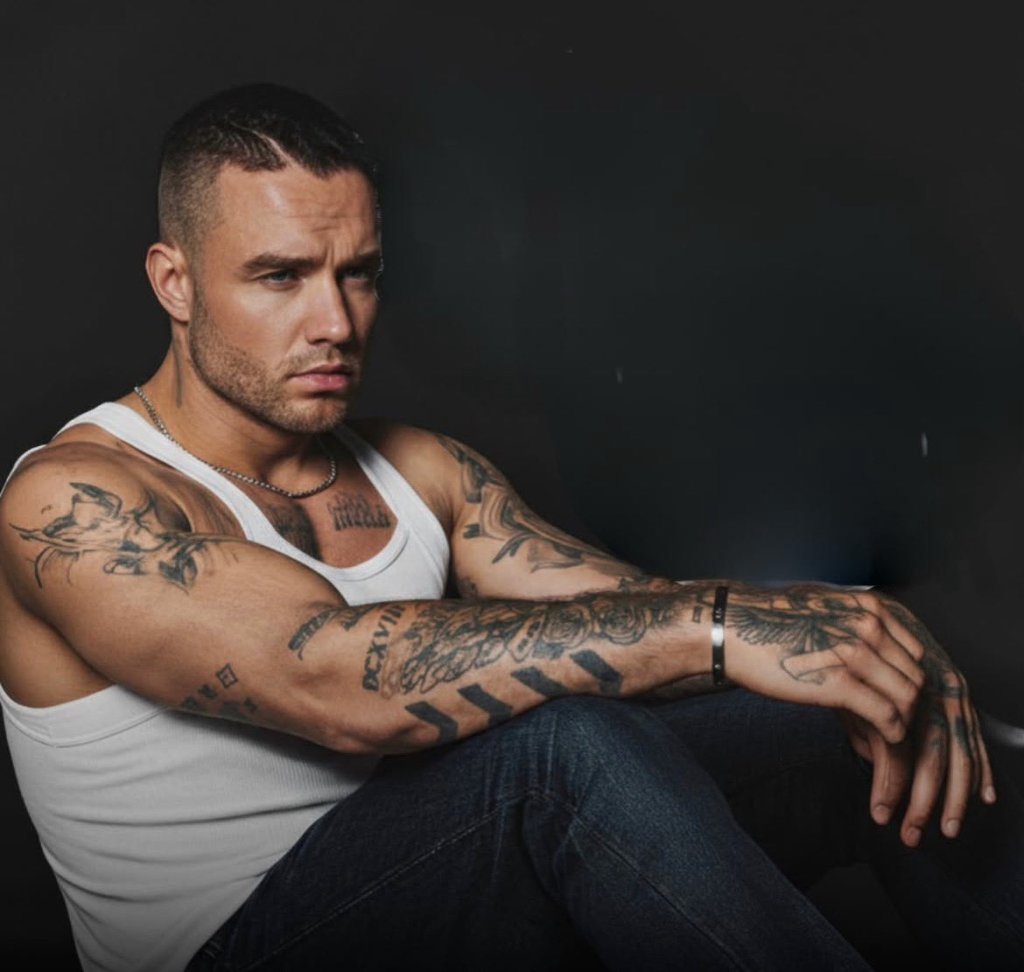
And why we are calling: #OpenTheDevices • #JusticeForLiam
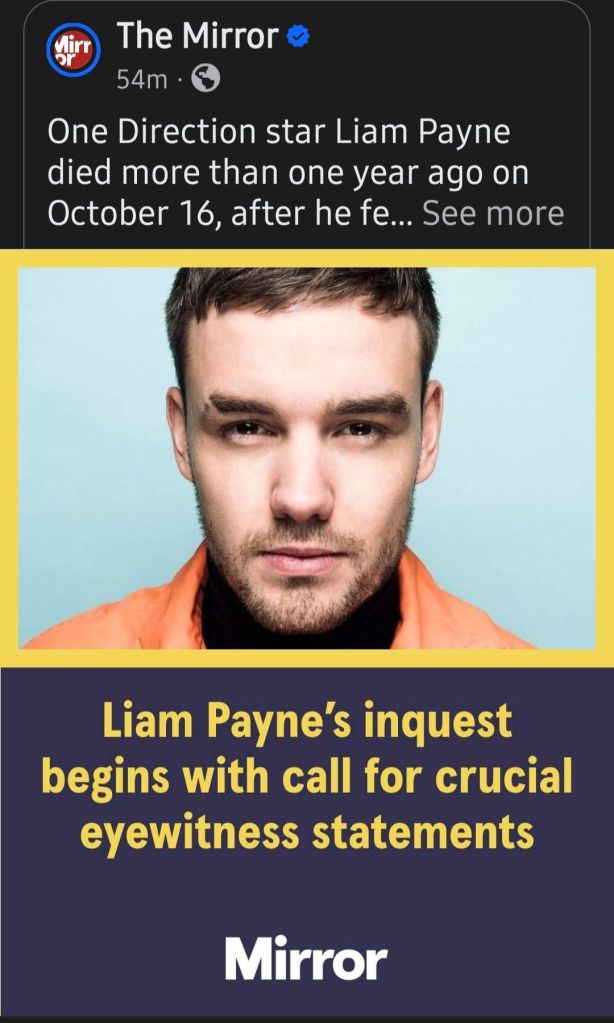
On 16 October 2024, Liam Payne — beloved son, father, artist, and friend — died under disturbing and unclear circumstances at the CasaSur Palermo hotel in Buenos Aires, Argentina.
More than a year later, basic facts about his final day remain contradictory, incomplete, or withheld.
This isn’t just heartbreaking — it’s unacceptable.
And that’s why the upcoming UK inquest is one of the most important steps toward uncovering the full truth of what happened to Liam.
We will not stop asking for answers.
We will not stop asking for justice.
WHAT IS AN INQUEST — AND WHY IT MATTERS
In the United Kingdom, an inquest is a legal investigation held by a coroner to answer four statutory questions:
1. Who the deceased was
2. When they died
3. Where they died
4. How they came by their death
Because Liam died abroad, and because so many aspects of his case are unclear, the inquest is essential for:
Transparency
Accountability
Factual record
Justice for Liam’s family and loved ones
Without a full and honest investigation, the truth risks being lost.
We cannot allow that.
WHERE THE CASE STANDS
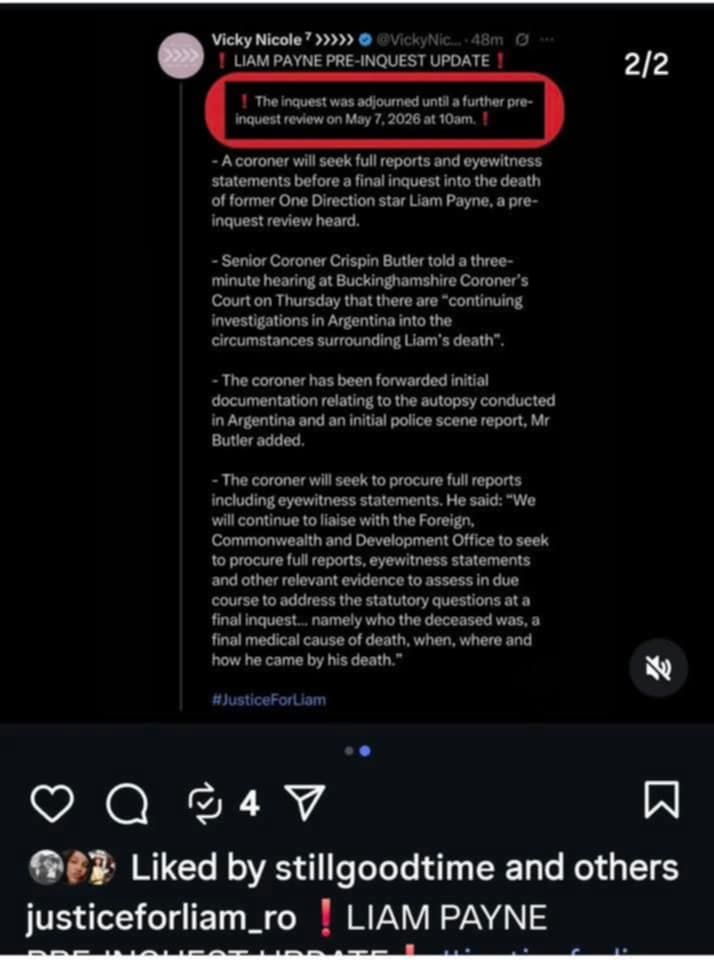
On 6 November 2025, Buckinghamshire Coroner’s Court held a pre-inquest review.
It lasted less than three minutes.
During it, Senior Coroner Crispin Butler confirmed:
• Investigations in Argentina are still ongoing
• The UK has received only initial documents — autopsy + police scene report
• The coroner is still waiting for:
• Full eyewitness statements
• Full medical reports
• All relevant evidence
Because of these delays, the inquest was adjourned to:
7
May 2026 at 10:00 AM
(Buckinghamshire Coroner’s Court)
There is still no final inquest date.
We continue to wait.
KEY INCONSISTENCIES THAT MUST BE EXAMINED
These are just some of the issues that have never been clarified:
1) 911 Calls Don’t Match Official Narrative
Two emergency calls from CasaSur have been released. People who have listened to the actual audio know:
The greeting was “Buenas días” — but it was late afternoon
Only an ambulance was requested — not police
A woman can be heard saying:
> “Help me lift him.” — suggesting Liam was unconscious
Yet we were told Liam was “aggressive” and “smashing the room.”
How can someone be both unconscious and destroying things?
Additionally —
The director of SAME (emergency services) stated on Argentine TV that there may have been a third 911 call.
Only two have ever been made public.
Where is the third one?
Why has it not been released?
2) +20 Seized Devices — Reportedly Not Opened
Authorities seized phones, laptops, CCTV hardware — yet many reports indicate these devices remained unopened for months.
Why?
In a modern criminal investigation,
digital evidence = truth.
So why hasn’t it been reviewed?
What don’t they want us to see?
3) Conflicting Toxicology Reports
One of the most troubling issues in Liam’s case is the toxicology narrative — it has shifted multiple times, with at least three different versions reported publicly.
No full official toxicology documents have ever been released.
And the timing alone raises alarm.
A) The first “toxicology result” — released impossibly fast
Within just a couple of days after Liam died, an alleged toxicology result was circulated publicly.
This is scientifically impossible.
A proper forensic toxicology report takes: 6–8 weeks minimum
Often longer.
Why?
Samples must be processed and screened
Confirmation testing is required
Chain of custody must be verified
Medical interpretation must be completed
None of that can happen in 48–72 hours.
So whatever was released immediately: was NOT a full scientific toxicology report
Was either preliminary screening or narrative, not fact
This alone is a major red flag.
B) “Trace amounts” version
A second narrative claimed:
> Only traces of substances were detected.
“Traces” means:
Minimal presence
Not enough to impair judgment
Not enough to explain erratic or violent behaviour
This contradicts the hotel’s reported claims that Liam was “smashing the room.”
You cannot be: unconscious / minimally intoxicated
AND
violently destroying property
The “trace” report undermines the official story.
C) “Full binge — alcohol, antidepressants, pink cocaine” version
A third narrative suddenly appeared suggesting Liam was on a heavy:
Alcohol binge
Pink cocaine
Antidepressants
This version is sensational — and directly contradicts the “trace” version.
Both cannot be true.
So why do two incompatible toxicology stories exist?
Without original reports, timestamps, chain of custody, and lab source documentation, none of these versions can be trusted.
WHY THIS MATTERS
Toxicology is central to:
Behavioural state
Consciousness
Ability to climb / fall
Possibility of self-harm
Whether others were involved
If toxicology is unclear —
the narrative collapses.
The contradictions suggest:
Miscommunication
Error
OR
Intentional manipulation
None are acceptable.
💔 “Liam was no junkie.”
Liam had been working on his health.
He was surrounded by support.
His father lived with him to help maintain sobriety.
He was planning his future.
The “junkie” portrayal was a smear —
a tactic used to stop people from asking questions.
We refuse to let that stand.
What must be released
To resolve these contradictions, authorities must disclose:
– Original toxicology files
-Chain of custody
-Testing dates
-Confirmation testing method
-Lab source details
Until then, the toxicology story remains unreliable.
This is why we demand:
> #OpenTheDevices
#JusticeForLiam
4) Impossible Consumption Claims + Why the Narrative Makes No Sense
Another bizarre inconsistency involves claims that Liam consumed:
13 bottles of whiskey
7–9 grams of cocaine
This is not just unlikely —
it is physically impossible.
No person could ingest those amounts and:
Remain conscious
Speak coherently
Walk
“Trash a room”
Even a fraction of that would lead to:
Alcohol poisoning
Loss of consciousness
Organ failure
Seizure
Death
LONG before any alleged “chaotic behaviour.”
These claims defy medical reality.
So why were they circulated?
Because they conveniently bolster the “drug & alcohol binge” narrative.
A narrative that falls apart under scrutiny.
He had just passed U.S. Visa health requirements
Before his death, Liam:
Completed U.S. visa renewal
Passed medical & drug testing
Passed psychological evaluation
Was approved
He was supposed to: Collect his visa on 17 October
Fly to the U.S. on 18 October
No one in a heavy drug-use spiral passes these screenings.
No embassy issues a visa to someone impaired or unstable.
So the idea that he suddenly drank 13 bottles + 9g cocaine is not just improbable —
it is absurd.
The actual cause of death: Polytrauma
The official cause of death listed in Argentina was:
> Polytrauma
Polytrauma =
Multiple physical injuries sustained around the time of death.
It does NOT mean:
Overdose
Alcohol toxicity
Drug-induced actions
So why were substance narratives pushed so hard
…when the cause of death was not drug related?
Why exaggerating substances is dangerous
Because once the public believes someone:
Was wasted
Was high
Was out of control
…they stop asking deeper questions.
It becomes a tool to:
Shift blame
Discourage investigation
Close the case
It is a classic deflection strategy:
> Make the victim look at fault so the truth doesn’t matter.
We reject that.
What the facts tell us
When considered together:
•13 bottles + 9g cocaine = physically impossible
• Contradictory toxicology narratives
• First “report” released impossibly fast
•Cause of death = Polytrauma
• Liam passed drug testing for visa
•He had plans to travel the next day
The only reasonable conclusion:
> The “drug binge” narrative was constructed — not factual.
It served to:
Discredit Liam
Deflect responsibility
Shut down inquiry
But now, the inconsistencies are too visible to ignore.
The truth matters
Liam was:
A father
A friend
An artist
A man trying to rebuild
Planning his future
He deserved protection.
He deserved honesty.
He deserves truth.
This is why we demand:
> #OpenTheDevices
#JusticeForLiam
#OpenTheDevices
#JusticeForLiam
⚖️🦉♾️🏹🌌
💫-Maggie
The Afterlove Voice 💫







Leave a comment