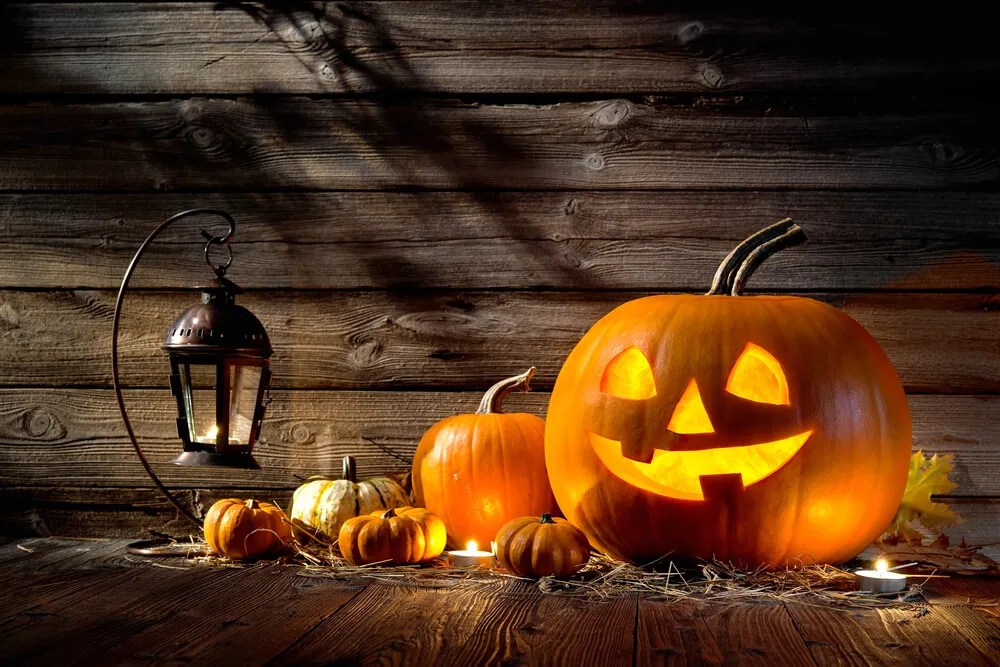
Halloween & Los Finaos in Spain — A Celebration of Memory and Tradition
Like many cultural imports, Halloween in Spain has evolved into something uniquely its own. Although it doesn’t carry the same commercial energy or flashy costumes found in the United States, the Spanish version offers something richer: a blend of remembrance, tradition, and quiet celebration. Each region adds its own flavour, creating a tapestry of customs that honour both the living and the dead.
Rather than centring on candy and costumes, Halloween in Spain is deeply connected to El Día de los Muertos — a three-day observance dedicated to remembering those who have passed on.
The celebration begins on October 31st with Día de las Brujas (Day of the Witches), continues on November 1st with Día de Todos los Santos (All Saints’ Day), and culminates on November 2nd with Día de los Muertos (Day of the Dead or All Souls’ Day).
During this time, families gather in cemeteries to honour loved ones, bringing flowers, holy water, food, and drink. While sharing stories, prayers, and quiet moments together, the intention is the same across the country:
to celebrate life by remembering those who came before.
Los Finaos — A Canary Islands Tradition
In the Canary Islands, this season takes on its own distinct form through the ancestral tradition of los finados, or finaos.
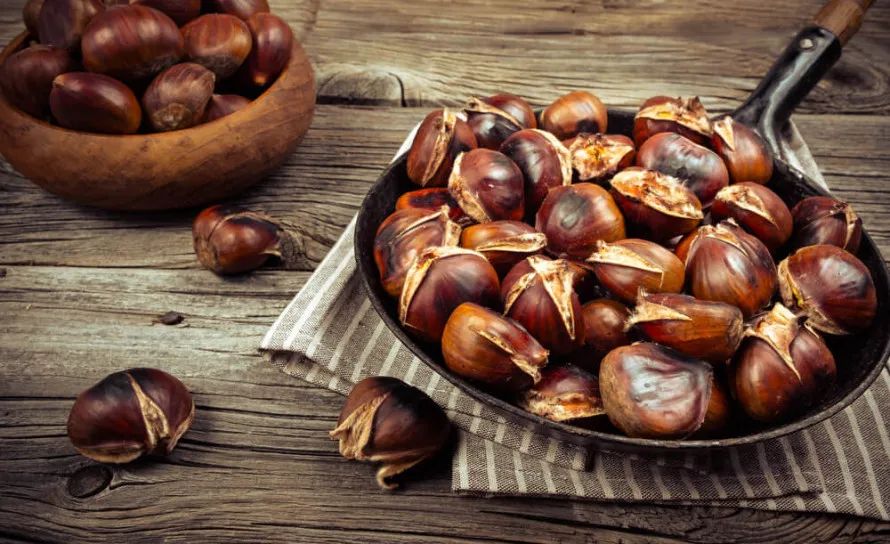
Observed from the night of October 31st through November 1st, finaos are all about keeping the memory of loved ones alive. Families and neighbours gather to tell stories of those who have passed, recalling their personalities, joys, quirks, and histories. These memories are shared over simple, comforting foods such as roasted chestnuts, sweet figs, and local treats.
Depending on the family, the celebration may last late into the night or continue through the following day.
In many villages, the streets come alive as parrandas — groups of musicians — play and sing, inviting everyone to join in the joy of remembrance. Children once went from house to house asking,
“¿Hay un santito?”
(“Is there a little saint?”)
and were given chestnuts or almonds in return. This practice is considered an early ancestor of today’s trick-or-treat tradition.
Los Finaos Today
While modern Halloween elements have woven their way into Spanish culture — especially in cities — the heart of the Canary Islands remains faithful to its roots. Costumes and decorations might appear, but the essence of the celebration is still grounded in memory, family, and storytelling.
Here, old and new traditions blend gracefully.
A child might don a witch’s costume, yet still sit with family afterward to listen to stories of great-grandparents, all while sharing roasted chestnuts. Communities organize music, dancing, and local events to keep these customs alive — creating a celebration that feels both ancient and ever-renewing.
Ultimately, los finaos remind us that Halloween can be more than a night of fun.
It can be a moment of connection — a bridge between the past and the present, a chance to honour those we love, and a celebration of continuity, memory, and life itself.
💫— Maggie
The Afterlove Voice 💫




Leave a comment